数学强,才能科技强!

来源:微信公众号@中国数学会

链接:数学强,才能科技强!

1 二战展示了数学力量

二战促使美国政府将数学与科学技术、军事目标空前紧密地结合起来,开辟了美国数学发展的新时代。1942 年,美国国家防卫科学委员会下设了应用数学组,帮助解决战争中日益增多的数学问题,到战争结束时共完成了 200 多项重大研究,包括空气动力学、水下爆破、喷气火箭、中心火力系统等项目。

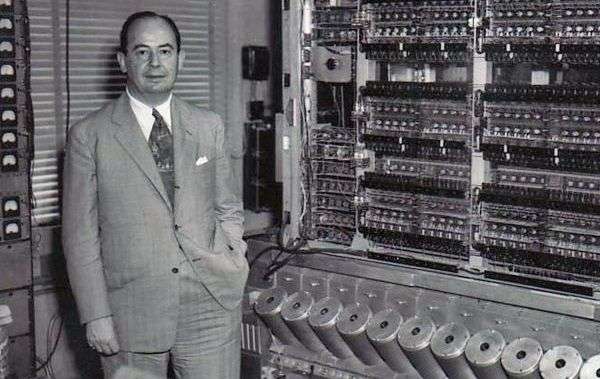
但推动美国数学研究最大的动力还是原子弹研制。二战时期著名的“曼哈顿计划”使众多数学家大放异彩,最著名的要数冯・诺依曼。二战以前,冯・诺依曼主要研究基础数学,二战后他应美国国防部之邀,参与了曼哈顿计划。为了使核武器数值模拟更有效,他发明了蒙特卡罗方法这一经典计算方法,至今仍在众多科学领域广泛应用。原子弹不能通过试错的办法来制造,每个设计方案都必须有理论上的测试。冯・诺依曼意识到解决连续问题的唯一途径就是离散方程并求出数值解,这就诞生了现代计算数学这门学科。

研究核武器时,冯・诺依曼认识到大型计算的重要性,这就促使他 1945 年发表了计算机史上著名的“101 页报告”,确定用二进制替代十进制运算,并将计算机分成五大组件,为计算机的逻辑结构设计奠定了基础。他因此被公认为“计算机之父”。冯・诺依曼 1944 年出版的《博弈论和经济行为》是数理经济学的奠基性著作,并在选择原子弹轰炸地点方案上发挥作用。他因此又被后人称为“博弈论之父”。

冯・诺依曼

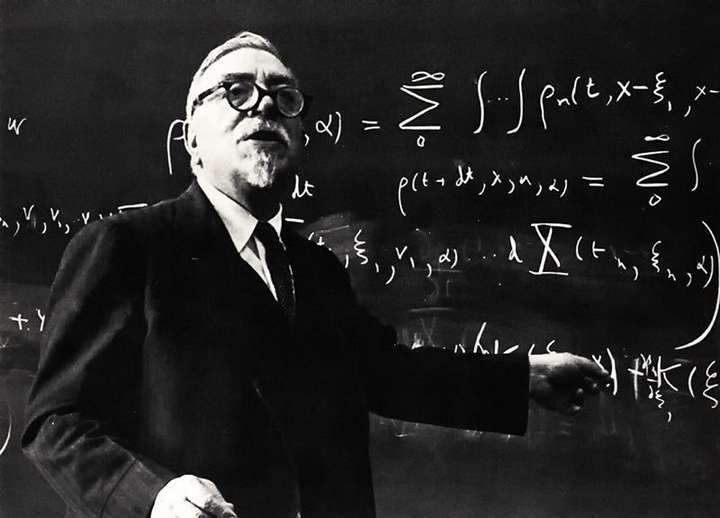
同样在二战时,维纳研究枪炮控制,引发了他对通讯理论和反馈的兴趣。1948 年,维纳出版了《控制论》一书,奠定了现代控制论的基础。这个时期香农加入贝尔实验室,研究火力控制系统和密码学,相关课题直属国防研究委员会。1948 年,香农发表了划时代的论文《通信的数学原理》,奠定了现代信息论的基础。

维纳

总之,二战丰富了美国的数学,赋予它全新的活力,产生了计算机、控制论、信息论、计算数学、博弈论等具有强大生命力的数学分支。

2 应用赋予了数学活力

正是由于冯・诺依曼、维纳、香农等应用数学家的出现,带动了美国多元的、创新的数学发展。1950 年代,冯・诺依曼帮助 IBM 第二任掌门人小沃森完成了第一套存储程序计算机 701 的开发,开启了美国称霸电子信息技术的辉煌。之后 40 年,美国数学家对计算机科学的发展起到了关键的作用,前 30 年的图灵奖得主近一半拥有数学博士学位。

冯・诺依曼开辟的计算数学研究在过去的几十年如火如荼。美国数学家参与了有限元法、谱方法、矩阵特征值算法、快速傅立叶变换等重大算法的研发。没有快速傅里叶变换就没有当今的互联网;而谷歌的核心技术就是依赖于大型矩阵特征值的快速算法。维纳创建的现代控制理论启发和影响了诸如人工智能、认知科学、环境科学、现代经济理论等多个领域。如今,控制论衍生出来的基因工程、机器人、传感器等技术的突破正深刻地改变着人们的生活。

香农的《通信的数学原理》发表至今 70 年了,通过不断提高信噪比、增加带宽,移动通信技术大约每 10 年就发生一场剧变。发展到今天,5G 成了大国角力的一大焦点。在 2016 年底的 5G 标准投票中,华为推崇的是极化码,美国高通公司推出的是 LDPC 码。有意思的是,后者是香农的弟子加拉格提出的,而极化码的设计者正是加拉格的学生——土耳其数学家埃达尔・阿勒坎。

2016年6月,华为宣布在法国建立第二个数学研究所

在过去半个世纪,社会发展的需求也是美国数学突飞猛进的主因。航空路径优化加速了运筹学的发展;保险业的兴起加大了精算的需求;制药公司的崛起带动了生物统计的发展;金融市场的壮大促进了金融数学的发展。很多企业为了提高效益,不断从数学中吸取能量。据 2019 年 4 月的一个统计,对数学毕业生需求最大的美国前六大企业是州立农业保险公司、高通、波音、谷歌、英特尔、爱德华・琼斯投资。

3 科技需应用数学支撑

和上述美国公司不一样的是,我国可能仅有华为是崇尚数学之美、享受数学福利的企业。20 多年来,华为和中、俄、法、土耳其数学家紧密合作,走完了从 2G 到 5G 的光辉历程。任正非先生指出:“其实我们真正的突破是数学,手机、系统设备是以数学为中心。”华为这样的科技公司,不仅要有一个、两个,还要有很多,中国才可以变成世界科技大国。

100 年前,数学还集中在证明定理、攻克猜想的“田径”时代,但近代应用数学,包括计算数学、金融数学、数据科学、系统科学,已让数学进入了“大球”时代。大球实力是体现一个国家现代体育水平的主要标志。

近年来,伊朗、越南、澳大利亚都得到了菲尔兹奖,拥有了攻克“猜想”的数学家,但由于没有应用数学作为支撑,这些数学成就对其国家整体科技水平的发展并没有产生太大贡献。中国现在是经济大国,在强调基础研究的同时,还要借鉴美国的经验,充分发挥应用数学的引领作用。

Pi_AaronJuarez2_750_2

colorful-1187071_960_720cropped-720

0443f2ec5da0b6a4fa1aca91e5027f63

Euler's number with a shadow on a digital background. Mathematical constant, decimal irrational number, base of the natural logarithm. Abstract digital vector illustration. Napier's constant.

Euler’s number with a shadow on a digital background. Mathematical constant, decimal irrational number, base of the natural logarithm. Abstract digital vector illustration. Napier’s constant.

得数学者得天下

作者: 其故

[本文作者是毕业于加州大学伯克利的博士]
Pi_AaronJuarez2_750_2

1. 对于数学的普遍偏见

当今的教育使得一般人都学过一些数学, 而且学习的时间相当长 (参看[4]), 这使得很多人认为自己懂得数学,甚至妄谈数学。但一般人所学的最新的也才是二百多年前的数学,往往对于近二百年来的数学一无所知, 所以难免对于数学有误解甚至偏见 (参看例如[5])。

妄谈数学的人并非完全不懂数学, 如果完全不懂倒不至于妄谈了。问题在于近一百多年来数学有了巨大和根本的发展,一方面有了更深刻的理念, 另一方面其应用领域极大地扩展了。如果对此完全不了解, 那么对于数学的看法难免过于狭隘, 简直可以说是管窥蠡测了。

教科书中数学是研究数量关系和空间形式的科学 (参看[1]) 这个教条, 也是导致很多人对于数学有偏见的一个原因。这个说法始于恩格斯, 后来列入前苏联的教科书中, 继而进入我国的教科书。恩格斯是唯物主义者, 他反对将数学看作纯粹意识的观点, 认为数学所研究的是客观世界, 而受时代的局限他还不了解群论 (即使高斯也难以接受),所以从哲学上这对于恩格斯是最好的理解了。但现代人应该知道, 数学的领域非常宽阔, 没有边界, 是不能由研究对象来界定的。即使俄国人也早已摒弃了这个教条。

多年前在数学界的一个会议上有专家呼吁, 在数学界的报告 (如发展规划) 中不要再写数学是研究数量关系和空间形式的科学这样的话, 因为它不仅过时, 错误, 而且对于数学的发展不利。这个建议得到与会者的一致赞同。但在数学界不能主导的领域, 这个教条仍在起着误导作用, 使得很多人对于数学的了解局限于一个很狭窄的范围, 更不会主动地将数学应用于以往不曾属于数学的领域。

如[5]中所看到的, 很多网民认为数学基础就是初等数学+高等数学+算法+奥数, 数学对很多人来说是枯燥的、深奥的、抽象的, 甚至是乏味的、无用的、无聊的。这是教育垄断造成的严重后果。

陈省身先生说过: 数学是一切科学的基础, 数学的训练普遍的有用。但对于数学有严重偏见的人是不可能理解这两句话的。

这些偏见来自多方面的原因, 其中一个重要原因是教育方面的失误。而纠正偏见对于数学教育是一个不能回避的任务。

2. 对于数学的偏见的背景

如上所说, 很多人对于数学的严重偏见, 是由不当的数学教育造成的。

数学教育有其特有的规律 (参看 [4]), 不仅学习时间长, 应用广泛, 而且需要激励兴趣, 培养科学的严谨性,因材施教, 以及提升科学理念。

数学教育领域有一个共识, 就是一个现代人学习数学的历程大体上沿着数学发展史的历程, 类似于一个胎儿成长的过程大体上沿着生物进化的历程。胎儿的发育过程大体要经过从单细胞生物到人类的进化过程, 要经过类似原生动物、腔肠动物、脊索动物、灵长类等各个阶段, 最后才长成人类的样子。而学习数学的过程, 要先走过有数万年历史的识数过程, 再学习古典 (有数千年历史的) 代数和几何, 再学习更近代的内容, 直到费尔马和笛卡儿建立的解析几何, 尔后可以学习微积分及更近代的数学。识数的时间相当长, 可能在数学的学习中占大半, 这和数学史上人类识数的时间长是一致的。

因此, 判断一般人 (尤其是中学生) 的数学水平的基本标准是历史的, 即看他懂的是哪个时代的数学。

如今的数学文献浩如烟海, 很多人容易有一个错觉, 就是数学的发展就是数学研究成果的积累。那么, 成果越积越多, 迟早会使得任何人都不能全面把握, 甚至只能懂得其中很狭窄的一部分。其实不然, 成果的积累是华罗庚先生所说的由薄到厚的过程, 但他还说过有一个由厚到薄的过程, 这恐怕不是很多人都明白的。

对于数学, 很多人崇拜技巧高的人, 甚至看不起技巧不高的人。很多人以为数学是聪明人的游戏。其实数学的发展方向, 是老的数学越来越成熟, 越成熟就越简单, 越容易, 越接近普通人。这个过程, 主要是通过理念的提升来实现的。

举例说, 中学平面几何中有很多习题是很难的, 即使很好的学生也未必都能做出来。这样的习题对于锻炼学生探索和解决问题的能力是有好处的, 但很多习题难在对解题方法的苛刻限制, 即只能使用平面几何教程中讲授过的方法。如果学了解析几何, 对其中很多习题就可以建立坐标系通过计算来解决, 不需要什么技巧, 难度也大为降低, 普通学生都能做出。即使对于很好的学生, 像上面那样做平面几何难题也应适可而止, 有精力和兴趣可早些进入解析几何, 那么以前学的很多方法和技巧即使忘掉也没有关系, 不需要全都记住而成为沉重的负担。这就是由厚到薄的过程。

再举个例子: 球的体积怎样算? 在高中教科书中是用祖暅原理计算的。祖暅原理本身就不很容易懂,而利用祖暅原理计算球的体积, 需要相当高的技巧, 实际上大多数高中生没学明白。更大的问题是, 如果换一个计算体积的问题, 还得再寻求新的方法, 无法保证一定能算出来。但是, 如果学了微积分就会算很多面积体积, 其中球的体积只是一个很容易的问题。这样, 学了微积分就可以忘掉很多计算面积、体积的初等方法和技巧, 这也是由厚到薄的过程。

不幸的是, 很多中学教师所教的, 很多中学生所学的, 是在初等的层次上反复练习, 掌握题型和技巧等(都属于由薄到厚的范围), 然而这样的学生无论题型掌握了多少, 技巧有多高, 比起一个学好了微积分的学生还是差一个档次。简言之, 前者的数学水平还在牛顿的时代之前, 后者已进入近三百多年。很少见到教师教学生如何由厚到薄。

由此可见, 很多中学生, 尤其是聪明学生, 将大部分时间和精力耗费在学习初等题型和技巧上, 是很大的浪费, 有那功夫数分、高代等更高的台阶都能上去了。不仅如此, 还常见他们很困惑, 问诸如数学有什么用之类的问题, 因为他们做的很多习题, 学的很多题型和技巧, 并无应用背景 (除了考试以外)。反之, 例如学了微积分就会算很多面积体积, 自然就不会问数学有什么用了。

理念的提升, 远比技巧的提高重要。以解析几何为例, 如果一个学生经过学习深刻领会了代数与几何的内在联系, 那么在多年后即使忘记了教科书的大部分细节, 遇到问题仍能主动地将代数与几何问题相互转化,其创新能力绝不是仅掌握了很多技巧 (即使不忘) 的人所能比的。

还有一个对于数学的误解源于高等数学这个词, 其实它只是高等学校非数学专业的基础数学课程的名称(这个名称当然不恰当, 国外都不用, 但国内沿用了多年很难改), 并非高深, 更不是最高。其内容为大约三百年前的数学, 主要是牛顿 (1643-1727) 时代的数学, 最高的也不超过欧拉 (1707-1783) 时代。某些非数学专业的学生还需要学习更深一些的数学, 例如电工专业的学生要学习拉普拉斯变换、傅里叶变换等二百年前的数学。

说到这里可能有些读者望而生畏: 需要学的数学这么多而且越来越难, 怕是这辈子没法学好了。其实不然, 即使是一个小学生也可能有很好是数学素质, 而中学生中有很多可以达到相当高的数学素质。数学学科虽多, 但其理则一, 都是研究来自自然界的问题, 在这一点上与其他科学并无不同, 所不同之处是其绝对真理性 (参看 [8])。一个人的数学素质的标志不是数学知识的多少, 而是数学理念的高度。下面我们会对此详细解释。

3. 数学中的台阶

现代数学的范围非常广, 国际数学家大会有19个分会场, 就是说即使粗分也有19个大方向。要想全面了解这些方向当然很不容易。虽然数学有很多分支, 但其理则一, 每个分支只是在某一个方面特别深入, 但绝不是孤立的, 不应将数学看作一些互不相关的分支或课题。如果对数学的某一个方向有了深入了解, 形成很好的数学理念, 那么就有利于理解其他方向。

数学的发展不仅是内容的丰富, 而且有理念的提升。每个重要的新理念会促进数学的整体发展, 影响到很多数学分支甚至数学以外的学科。在基础数学方面, 这样的新理念有: 约 400 年前的解析几何, 300 多年前的微积分, 200 多年前的线性代数, 180 年前的群论, 120 年前的拓扑学、数理逻辑、李群, 80 年前的整体微分几何、概率论,此后更多, 有复几何、模空间、动力系统、算术代数几何、几何分析等等。

由此, 学习数学不应仅仅是知识的积累, 还应逐步提高哲学理念, 如一个一个地上台阶。

解析几何、微积分、线性代数都是近代数学的台阶, 近二百年来这样的台阶更多, 下面选几个做简单介绍。

1) 群论

群是 1820 年代伽罗瓦在研究代数方程的一个困难问题时发现的。群论在解决这个难题时的作用充分显示出它的强大, 逐渐引起数学界的普遍关注。由此开创了数学的一个全新领域,其历史意义是无论如何估计也不会过分的。

由今天的眼光看来, 群的根本背景是物理的运动。在群论产生之前, 尽管运动是数学不能回避的一个课题, 但还没有一个系统的和强大的工具。群论的产生不仅使数学有了新的发展方向, 而且有了新的理念, 从而使群论渗透到数学的其他领域, 改变了整个数学的面貌。一个典型的例子是克莱因的爱尔兰根纲领, 将变换群看作几何的核心课题; 另一个典型例子是索弗斯李将群论应用于微分方程的研究, 产生了李群论。同时, 群论也进入了数学之外的领域, 成为物理、化学等学科的重要工具和核心课题。

由此可见, 不懂群论的人对于数学的理解, 与现代数学实在相距太远, 所以难免偏颇。

顺便说一点题外话。现在中学数学教程中的集合概念, 原本是由于群论的需要而产生的, 因为群既不能解释为数量关系也不能解释为空间形式, 只能解释为集合。但群是无法回避的, 因为它在数学中处于核心地位。由此集合论也就发展起来 (实际上到20世纪才成熟), 进而成为整个数学的一种方便的语言。

在中学数学教程中是否应该讲集合, 其实是很值得怀疑的。其一, 引入集合的语言不过是为了讲课方便,但可能是老师方便了学生苦了 (因为集合比方程、直线等更抽象, 因而对于很多学生更费解); 其二,集合概念对于学习中学数学的各课题都不是必需的 (早年的中学数学教程中都没有集合, 但同样可以讲得很好,而且并不影响学生的数学素质); 其三, 如果没有实质性的应用, 花了很多时间学习集合却不能得到什么实际的好处, 是很大的浪费 (学生质疑有什么用的一个主要对象就是集合); 其四, 在中学课程中不可能系统地讲清集合论的基本概念, 至多只是朴素直观而已, 但这样的直观是不严谨的 (在这方面, 数学界也只是在罗素发现集合论悖论后才明白)。

2) 拓扑学

拓扑学是1900年前后以庞加莱为首的法国学派建立的, 研究连续变形下的空间整体结构。下面一个例子可以解释整体性和局部性的区别。

球面和环面 (图 1) 的局部结构是一样的, 如果在球面或环面上取一小块 (如图 1中的小圆片), 它们的结构都等价于平面上的一小块; 但球面和环面的整体结构是截然不同的, 如果将球面想象为橡皮的, 可以随意拉伸变形, 甚至还可以剪开翻个身再按原缝粘回去, 那么不管怎样做这样的“拓扑变换, 也还是不能把球面变成环面。用拓扑学的术语说,就是球面与环面不“同胚。由此可见, 即使完全了解了局部结构, 仍然可能对整体结构毫无所知。
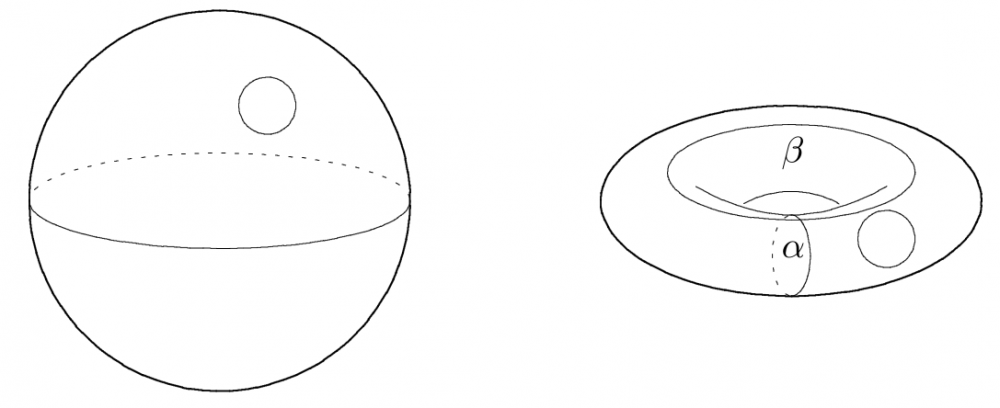
 1

20世纪的数学与此前的数学相比, 最显著的特点就是整体性。粗糙地说, 20 世纪前的数学都是局部的数学, 即使涉及整体的研究对象 (如射影空间), 也是采用局部的研究方法。研究整体性的根本方法是从拓扑学的建立开始的。而关于整体结构的研究, 是在此前关于局部结构的研究已经相当成熟的基础上产生的。

拓扑学给出数学的一个新的深刻理念, 这个理念和各种方法逐渐渗透到数学的其他领域, 改变了整个数学的面貌, 并且影响到数学之外的学科如物理、化学等。

不懂拓扑学的人, 对现代数学也难免有误解和偏见。

3) 整体几何

空间不仅有拓扑结构, 而且还有其他结构如微分结构。如上所说, 早期微分几何是局部的微分几何,但关于整体的问题是有的, 只是没有系统的方法和工具。在1930年代拓扑学已有了坚实的基础, 进一步将其他结构加入应该提到研究日程中来。在解决具体问题中, 陈省身做了这一开创性的工作, 从此产生了整体微分几何。

此后, 整体微分几何的理念和方法渗透到数学的其他领域如多复变函数论、代数几何、数论等, 改变了整个数学的面貌, 并且影响到数学之外的学科如物理等。

4) 几何分析

在1970年代, 丘成桐在解决卡拉比猜想中采用了硬分析(微分方程的深刻方法和结果), 这一新的有力方法可用于解决很多其他难题, 从而产生了一个新的学科几何分析, 这是现代数学中最富有活力且发展最快的领域之一, 且影响到数学之外的学科如物理等。
由上面这些例子不难看出, 每一个台阶都有新的哲学理念。因此, 在学习数学时每上一个台阶, 数学水平都会有本质的提高, 是没有上这个台阶的人所无法相比的。不仅如此, 每个台阶一旦上去, 终生都不会下来了。

上一个台阶很难吗? 其实未必, 因为每个台阶都是始于一个原始的理念, 既不深奥也不复杂, 更没有上面所说的技巧。 很多人上不去倒是因为心理障碍造成的, 具体地说, 如果对于数学已经有了成见, 那么遇到一个新的理念与成见冲突时, 就可能从心理上拒绝接受。

4. 数学派生出的交叉学科

很多介绍数学的作用的文章, 会介绍数学的应用领域: 物理、化学、生命科学、工程、大数据、人工智能、机器人等等。但非专业的读者一般只能肤浅地理解。

我们可以从另一个角度说明数学的作用。近一百多年来, 数学的应用产生出很多新的交叉学科, 它们原属于数学,但后来独立出去。这样的大学科有十几个: 统计学、管理科学、计算机科学、系统科学、非线性科学、逻辑学、经济学、机器证明、博弈论、编码与密码学等等。

我们下面做一点简单的介绍。

1) 逻辑学

逻辑学原来属于文科, 那时并没有严格的科学方法。直到大约一百年前, 数学的方法进入了逻辑学领域, 此后从根本上改变了逻辑学的面貌 (参看 [3])。

起先是“命题演算”的产生, 由此可用数学方法做“零级逻辑”推理。例如现在常见的“推理练习”题都可以转换成数学运算, 而且可以机械化(即用电脑计算解决)。由此还产生了“布尔代数”。

后来进入更深一级的“谓词演算”, 实际上一般的数学命题都含有“谓词” (“存在”或“一切”), 如加法交换律的准确陈述是“对任意两个数 a, b 都有 “a + b = b + a”, 平面几何中的第一条结合公理的准确陈述是“对任意两个点存在一条直线同时经过它们”。 命题演算和谓词演算形一个新学科“数理逻辑”。

在今天, 数理逻辑已经成为一个范围很广且内容深刻的学科, 影响到很多其他领域如纯粹数学、计算机科学等, 它本质上是研究逻辑的科学方法。由此, 今天不懂数理逻辑的人是没有资格研究逻辑学的。

2) 统计学

统计学原来也属于文科, 那时并没有严格的科学方法, 所用到的数学很初等。直到1930年代概率论奠定基础后, 产生了“数理统计”这个新学科, 从此统计有了科学的研究方法, 从根本上改变了统计学的面貌。

从今天的眼光看来, 统计的基本任务是“大数据处理”。由于大数据难以避免“模糊性”, 所以概率论是不可或缺的基本工具。但今天统计学中所需要的数学工具远不止概率论。

在今天, 统计学的研究者若没有很好的数学素质, 是不可能在高端的统计学杂志发表文章的。

统计学的广泛应用使其成为一个很发达的学科。在很多高水平的大学里, 统计系不仅独立, 而且比数学系大。

3) 运筹学

运筹学可以看作应用数学的一个方面。在很多应用数学问题中有特定的“目标”, 例如速度、质量、成本、效率等, 希望对此目标做得尽可能好。在数学中这称为“优化”, 它经常可以表达为一个函数的最大值问题。

运筹学广泛应用于工程、经济、城市规划、金融、军事等很多领域, 是一个很发达的学科。在今天, 很多高水平的大学里有运筹学系(如加州大学的 IEOR), 比数学系大得多。

4) 信息科学

“信息”是一个物理对象, 但并没有进入古典的物理学。信息科学的建立起源于香农在1940年代对通讯的研究。

通讯会遇到噪声干扰, 香农寻求一个可以刻画“混乱程度”的物理量, 他发现所得到的公式竟与热力学中“熵”的公式一致, 就把它也称作“熵”。多年后经过很多人的研究, 终于明白“信息熵”与热力学熵的一致性。由此可见,香农的“熵”揭示了一个深刻的物理奥秘, 有极重要的哲学意义。

信息科学也是从数学中派生出来的, 公认1948年香农发表的论文“通信的数学理论”是信息论的奠基之作。在今天的“信息社会”中, 信息科学所起的作用无疑是巨大的。现代信息科学是一个独立学科, 但其数学性很强。

5) 控制论

与“信息”相似, “控制”也是一个物理对象, 但并没有进入古典的物理学。

一般认为1948年维纳发表的《控制论——关于在动物和机器中控制和通讯的科学》一书是控制论的奠基之作。维纳将控制论看作是一门研究机器、生命社会中控制和通讯的一般规律的科学,是研究动态系统在变的环境条件下如何保持平衡状态或稳定状态的科学。这也是有极重要的哲学意义的。

控制论也是从数学中派生出来的。在今天, 控制论的思想和方法已经渗透到几乎所有的自然科学和社会科学领域。

泛言之, 运筹学、信息科学、控制论等都可以归入“系统科学”这个大类。

6) 编码与密码学

在通讯中常要将字母转换为数字信号, 这就是“编码”。编码的方法多而广, 例如为了通讯保密故意改编原文(即“加密”), 但要使接收者能够再改编回原文 (即“解密”)。这方面的发展形成了“密码学”。

编码的作用远不止于保密。另一个重要作用是“纠错”。在通讯中难免出现信号传输错误, 采用适当的编码可以减少错误, 或在发生错误时自动纠正。在计算机和网络中大量使用编码。

最早的编码可能是由“聪明人”拍脑袋想出来的, 但编码的深度发展离不开数学。常用的数学工具有代数、数论、组合学等,但不排除使用其他数学方法。

7) 计算机科学

计算机最早的任务目标是将数学计算机械化, 其可能性是建筑在早期的数理逻辑基础之上。由于这个背景, 数理逻辑是今天计算机专业的学生都要学习的基础课。

计算机发明出来以后, 在使用中遇到很多新问题, 如计算机系统结构分析、计算机可靠性论证等, 遂形成专门研究这些问题的一个新学科, 即“计算机科学”。

当今的计算机科学是数学、电子科学、信息科学等学科和技术科学的交叉。不过早年的计算机科学是由一些数学家奠定基础的。我国计算机科学的创始人全是数学家。

计算机科学所用到的数学远不止数理逻辑, 数学物理的很多工具都要用到, 此外还有“离散数学”、代数、拓扑等。

8) 数理经济学

与统计学相似, 早年经济学所用到的数学很初等, 但19世纪有一些经济学家使用了较深的数学, 后来他们的工作被称为“数理经济学”。不过现代的数理经济学主要是1960年代以后的工作, 这些工作所用到的数学相当深。

在今天, 经济学的研究者若没有很好的数学素质, 是不可能在高端的经济学杂志发表文章的。

9) 博弈论

博弈论始于1920年代策墨罗, 波莱尔, 冯·诺依曼等数学家研究对抗性的游戏, 而对策不仅存在于游戏中, 也存在于生物行为、经济、军事、政治、社会关系、外交等领域, 所以后来有了广泛的应用。

有多位博弈论专家获得诺贝尔经济学奖。

10) 数学机械化

数学机械化起源于机器证明问题, 即能否用计算机来证明一个数学定理。1976年计算机被用来证明图论中的四色定理。不能期待用计算机证明一般的数学定理, 但可期望对某个数学领域有一个一般的方法, 可以证明限定范围的所有定理。

1970年代, 吴文俊给出了欧几里德几何中一般的标准类型定理的机器证明方法, 这可以理解为一大类数学定理可用计算机证明。后来实现的计算机程序, 可通过人机对话将问题输入, 计算机可自动寻找有关所输入的几何图形的所有定理, 并给出每个定理的证明(证明一般较为冗长但人可读, 参看 [10])。具体的实现过程使用符号计算。

数学机械化可使数学证明的工作大为减轻,不需要伤脑筋的工作即可解决。它可以看作一种人工智能。上述机器证明不仅比AlphaGo早得多, 也强得多(AlphaGo只能大概率地保证给出解决方案, 而上述机器证明能绝对保证给出解决方案)。

迄今为止在其他多个领域也有数学机械化的研究, 但尚未在其他领域得到如欧几里德几何领域那样完善的结果。

11) 管理科学

管理原属社会经验领域, 并无基本的科学的方法。自1920年代后数学家尝试用系统科学的方法研究管理, 逐渐产生了管理科学。

我国的管理科学的开创者都是数学家。

12) 非线性科学

“线性”是数学中的一种具有广泛应用的性质,例如在通讯中需要将信号放大而不改变信号的结构, 这就是“线性放大”。但另一方面, 通讯中的载波、检波等要改变信号的结构, 这是需要通过非线性的方法才能达到的。

“非线性”现象在物理学、天文学、地球科学、生命科学等很多学科和公共工程、电子技术等很多应用领域普遍存在,所涉及的问题相距甚远, 但在数学上有共性。由此形成一个专门研究非线性的交叉学科。

13) 金融数学

信贷、股票、期货、保险等金融课题的研究离不开数学, 而且深入的研究需要相当多的数学工具如微积分、概率论、组合学、微分方程等等。甚至还用到一些高深的数学工具, 例如山东大学彭实戈教授因对“倒向随机微分方程”的研究成果而受邀在国际数学家大会上做一小时报告, 就是因为这项成果可以应用于金融。

在1950年代后, 数学在金融研究中的日益重要作用形成了金融数学。当今不懂金融数学的人很难在高水平的金融杂志发表论文。

14) 精算学

精算学是针对金融领域的应用技术科学。

银行业、保险业、证券业等对社会提供各种服务“产品”, 需要服从一系列法规和其他规则, 而提供服务就要使客户盈利, 但同时自身也要获利, 这就涉及合理定价、避险等很多问题(例如分期付款的房贷应如何确定月供, 怎样安全地分散投资等等)。

对每个具体问题都需要专门建立数学模型来解决, 这样就形成了大量的数学模型和方法。一个“精算师”需要在微积分、概率统计等方面达标, 并掌握很多重要的数学模型。

除了上述学科外, 数学还在不断渗透到其他领域, 如生命科学、医学、军事、认知科学等等。今天人们已经认识到, 没有什么学科是数学不能进入的, 而数学的进入意味着新科学的形成。由此可见“数学是研究数量关系和空间形式的科学”之类观点实在太狭隘了。

5. 社会发展对于提高公民数学素质的需求

现代社会中的很多工作需要数学, 但大多数不是数学家做, 而是由非数学专业但具有合格数学素质的人做。因此, 公民的数学素质是综合国力的一个重要因素。很多科学发达的国家对公民的数学素质都很重视(参看 [9], [14], [18])。

那么, 怎样的数学素质才算合格呢? 那要看工作领域。举例说, 一个农村青年到城里打工做家装, 开始时是在工头的指挥下工作并学习技术, 用不到很多或较深的数学。但如果他有合格的小学数学素质, 不久就会看到经常有需要用到数学的工作, 例如计算墙面和地面面积, 进一步计算需要多少材料, 估计费用等等, 自己也可以做, 这样就可以自觉地提高工作能力,从而成为骨干工人。如果他的中学数学素质也合格, 那就还可以做需要更深的数学的工作, 如测量、管道与电路布线、施工设计与绘图等等, 数学素质更好的甚至可以设法节省材料, 为客户节约经费, 那么他就可以自己成立一个包工队, 而且得到客户的信任。这样的案例很常见。

多年前曹策问教授给小学生讲的“乾隆数塔”的故事, 也是数学素质的一个精彩案例。少林寺塔林大大小小的塔非常多, 很难数清, 乾隆皇帝想了一个巧妙的方法,就是让他的御林军士兵每人抱住一个塔, 等所有塔都被抱住后, 再将所有抱塔的士兵集合起来点人数, 这样很容易就数出了塔的个数。

就数学原理而言, 乾隆数塔用的是“一一对应”, 简言之两个能一一对应的有限集具有相同的元素个数。由于直接数塔很困难, 而数士兵却很容易, 这样就把一个难题转化为一个容易的问题了。

一一对应的原理, 好的小学生也能弄懂, 但很多高中生都还没弄懂。

那么, 对于更深的数学是否也有数学素质的需求呢? 较高的技术工作一般都需要大学以上是数学素质达标, 对于这些工作有所了解的人都不难看到。即使没学过较深数学的人, 从下面这个例子也能体会到数学素质的重要作用。

城市里的地铁一般是双线, 一个站台有两个不同方向的同一线路地铁, 但有例外。在下图中可以看到北京地铁的4号线和9号线, 它们在国家图书馆站交汇, 4号线由北向东南, 9 号线由国家图书馆站始发向南。在国家图书馆换乘站,4号线向北方向的车与9号线的终点站在同一个站台, 而4号线向东南方向的车与9号线的起点站在同一个站台。

为什么要采取这样不同常例的设计呢?


乘9号线到终点换乘的乘客, 大多数是转乘4号线向北, 因为若要转乘4号线向东南, 多半是绕远路, 不如直接从南方过去; 而乘4号线到国家图书馆站转乘的乘客, 多半来自北方, 因为来自东南方向的乘客可以在南方换乘。这样的设计, 使得大部分换乘乘客不必换站台, 给这些乘客多了方便, 但并没有给其他乘客增加不便; 另一方面,由于减少了乘客换站台, 降低了站内乘客流量, 提高了效率、可靠性和安全性。

如果设计者采用通常的安排(即4号线两个方向在同一站台, 9号线起点和终点在同一站台), 也不能说不合格。但上面这样的设计显然“更好”。这样的想法看上去很简单, 但没有很好的数学素质是想不到的。在数学上这称为“优化”,这是运筹学的一个核心概念。

这些案例都说明好的数学素质对于工作水平和质量的积极意义。遗憾的是, 经常看到数学素质不合格的情形。下面举几个网上看到的例子。

1) 2009年, 上海《新闻晚报》的一则报道说, 市区高速公路将更换5000块路牌, 总共耗费2亿元人民币。该消息使网上舆论大哗, 因为用2亿除以5000计算出一块路牌要40000元,被称为“天价路牌”。有人更进一步追问其中的猫腻。

《新闻晚报》后来刊登了文章进行了解释:这5000块指路牌只是一小部分,其实只占有所有更换量的五分之一。也就是总体要更换25000块各种路牌。所以,用 2亿除以5000来计算出40000一块路牌“太过于草率”。 然而这非但没有解决“天价”的问题(因为一块路牌8000元仍是太贵), 反而又多出新的问题。有的网民经过计算得出: 这么多路牌相当于在高速路上开车平均每秒钟遇到一块路牌, 这当然就更荒唐了。

此事后来是不了了之, 但可以作为数学素质差的一个典型案例。

2) 2009年, 某著名大学校长在接受采访时表示,素质要全面考量,一个所谓的高考状元的素质不一定比一个农村的孩子素质更高。 “不能一谈到素质就是说唱歌好跳舞好,农村的孩子在比较弱势的群体中成长起来,他们更会知道尊重别人,会更能吃苦。”

很快就有网民指出: 校长说话也犯逻辑错误。状元也可能是农村的孩子呀?(其实农村学生成为“高考状元”并不鲜见, 在有些地方甚至很常见。)

3) 2011年初, 河南平顶山市法院以“诈骗368万元高速公路通行费”的罪名判处时建锋无期徒刑,剥夺政治权利终身,并处罚金200万元。此案经相关媒体报道后, 网上舆论哗然, 称之为“天价过路费案”。 据报道时建锋“骗免368万元”的时间总共不过8个月, 每天一般只能运送一趟。如果过路费真的如此高, 那实在太黑了。

此案后来被河南省高级法院发回重审, 并对责任法官作出了处理。

4) 某国总统上任伊始, 要创造一些“政绩”。第一把火烧交通, 说高速公路两个方向各有两条道, 如果改划为三条道,不用花一分钱就可以将运力提高50%,下面一阵吹捧, 于是乎就实行了。结果可想而知, 交通事故大增, 于是又烧了

第二把火, 将两边都改回两条道。有趣的是, 这又被吹捧成伟大的政绩, 理由是: 两条道改划为三条道提高运力50% , 三条道改划为两条道降低运力不到34% , 两者相抵, 50% -34% =16% , 就是说至少净增运力16% , 一分钱没花。

5) 特朗普不久前谈到将在朝鲜半岛阵亡的美军士兵遗骸运回国一事, 说: 在竞选期间, 有成千上万的人要求我们这样做, 他们告诉我, 希望自己的儿子能被接回国。美国网民哄起来了: 朝鲜战争是在1950年代初, 即使那时一个士兵二十岁, 他父母现在也有一百多岁了。

只要留心, 这类数学笑话每天都可以在网上看到很多。

由此可见, 数学素质并不只是对于专业人员的要求, 对于普通公民都是需要的。

6. 数学有用吗?

经常遇到很多人问的一个问题是: 数学有什么用? 某数学教授到中学讲课, 校长要求他回答学生的问题: 数学的用处难道就是刷题? 教授忍着没说的话是: 数学有很多用处, 但你们所学的数学的用处就是刷题。

小学生做很多数学应用题, 中学生却很少做甚至不做, 当然也就越来越脱离应用。这不是数学的问题, 而是教育的问题。

还有一种常见的论调, 说生活中只需要用到小学的数学, 更深的数学没用。实际上现在大多数人学的数学都是很成熟的数学, 只要学通了都很有用。五十年前根本听不到“数学有用吗”这样的质疑, 因为那时的中学数学教育没有今天这么脱离实际。中学生在数学的应用方面应该比小学生有更高的要求, 不仅要会做应用题, 而且要能够将实际工作中的问题转化为数学问题并予以解决, 就是说要培养数学建模的能力。

华罗庚先生当年做数学普及报告, 经常举日常生活中应用数学的生动例子。

由于经济的发展, 当今数学在生活中的应用远超过五十年前, 只是很多人视而不见。我们下面举一些经济生活中的例子, 从中可以显示出数学素质即使在普通人的生活中也起着显著的作用。

 1. 甲乙两个公司招聘, 甲公司采用年薪制(以一年为单位定工资标准), 起薪(开始工作时的工资)为每年100000元, 以后逐年增加,每次年薪增加6000元; 而乙公司采用半年薪制(以半年为单位定工资标准), 起薪为每半年50000元, 以后每半年增加一次,每次(半年薪) 增加2000 元。哪个公司的条件更优惠呢?

很多人(可能是大多数人)认为, 两个公司的起薪标准是一样的, 而乙公司每半年增加 2000 元,就是每年增加4000元, 不如甲公司的每年6000元高。

但如果能根据两个公司的条件列出薪金公式, 就得到甲公司第n年的工资数为

100000+6000(n-1)

而乙公司第n年的工资数为

100000+2000(4n-3)

再计算二者的差得到

[100000+2000(4n-3)]-[100000+6000(n-1)]=2000n

即乙公司第 n 年的工资数比甲公司高 2000n

而初一代数没达标的人是做不到这些的。

 2. 经常到商店买东西就会看到, 商店常用各种打折等优惠来吸引顾客。

例如, 某商店采用“礼券”优惠, 每购买100元的商品, 该店赠送50元“礼券”, 不足100元的部份略去不计(例如购买888元的商品可获赠400元的礼券); 礼券的用法是: 每购买100元的商品, 可使用该店的50元礼券当作50元支付, 不足100元的部份略去不计(例如你有足够多的礼券, 那么购买560元的商品可使用250元的礼券, 剩下的560-250=310元则要用现金支付, 注意由于你付了310 元现金, 商店还要再赠送你150元的礼券)。

按这样的办法, 顾客究竟能获得多少(相当于几折)优惠呢? 媒体宣传说相当于差不多五折优惠。如果中学数学学得好, 可以自己推导出总的优惠至多接近(但小于)。要把这个问题完全搞清楚, 需要用到一点微积分。

 3. 要买一台新电视机, 买什么样的呢? 一个有良好数学素质的人会这样作决定:在“量入为出”的范围内, 尽可能寻找最喜欢的, 或者在自己喜欢的电视机中, 寻求价格最低的, 这两种选择都是“优化”。前面说过, “优化”是运筹学的重要基本概念。

优化在经济生活中经常可以用到。例如一个新建的公园, 要决定门票的价格, 是尽量高还是尽量低, 抑或“不高不低”? 明智的决定方法是: 首先确定一个目标, 就是获得尽可能高的门票总收入, 按照这个目标来确定门票价格。这就是价格“优化”的方法。遗憾的是有些公园没能这样做。

在国外的一些针对非理工科学生的微积分教科书中, 常有这类问题的例子, 如一个收费站如何订收费标准才能收尽可能多的费, 一个工厂在给定的原料价格、工资标准和税收政策下如何获得最大的利润, 等等。

 4. 古代“守株待兔”的故事说, 一个偶然得到兔子的宋国人放下田里的活不做, 成天专等兔子撞树, 结果是“兔不可复得, 而身为宋国笑”。

但嘲笑守株待兔的理由, 不应是财迷或懒惰等, 而应是愚蠢。那么守株待兔者愚蠢在什么地方呢? 在于希望一个概率很小的事件重复发生。

象这样的小概率事件在生活中是经常遇到的, 例如抽奖彩票, 也许100万张里有一张奖一辆摩托车, 那么一张彩票抽中摩托车的概率是0.000001。很多人都抽过某种奖, 作为一种游戏玩玩也无妨, 但不能“走火入魔”, 成天除了抽奖什么别的工作也不做 (如果抽奖也算一种“工作”的话), 希望靠抽奖过日子, 那就成了新时代的“守株待兔”了。

 5. 在当今这个“信息爆炸”的时代, 一个人每天都会获得大量的信息, 这些信息中总有很多错误的甚至假的, 而鉴别信息的真假需要很好的数学素质。

例如前不久普遍流传的两条信息: 一条说“培养一个飞行员需要几十吨黄金”, 一条说“中国一户人家每月的网费最低要67美元 (比美国高得多)”。这两条信息的造假手段都是“转换单位”, 如果以人民币为单位是骗不了任何人的。反过来说, 一个不会单位换算的人遇到这种谣言就容易被骗。

这类谣言可以称为“数学谣言”, 其中主要(甚至唯一)的造假处是“数”。遇到这样一个耸人听闻的标题时贸然点击阅读, 即使不上当受骗至少也贡献了“点击率”, 间接地帮助了谣言的传播。

 6. 有一类曾经很流行集资组织俗称“老鼠会”, 其规则一般是: 每个人要

交一笔“会费”才能参加, 如果能发展10名新会员, 就可以升一级并获得奖励 (奖金当然来自新会员的会费),如果下一级的会员都升了一级, 自己也就跟着又升一级并且得到更高的奖励。

人们称老鼠会是“金字塔式”的: 最高一级只有1个人, 下一级有10个人,再下一级有100个人, 等等。 不久以后, 在金字塔高层的人已经非常富有,这诱使越来越多的人参加, 可是有一天, 人们突然发现这个“老鼠会”倒闭了,所有新会员的会费都白交了, 人们愤怒地追查金字塔顶端的人, 可他们已经失踪了, 于是人们到法院控告他们诈骗 ……, 这种故事屡见不鲜。

不过, 如果这些金字塔顶端的人不携款潜逃, 而是跟着人们上法庭, 他们会被判有罪吗? 他们可以为自己辩护说, 他们的公司是合法注册的, 规章是公开的,他们并没有违规, 而集资本来就有风险, 会员都是自愿参加, 参加时也知道有风险并签了协议。现在破产受损失,公司没有责任。

这类集资支付利息的方法一般是“拆了东墙补西墙”, 即用后来入会者交的钱给先前入会者支付利息。这就是所谓“庞氏骗局”。

如果有较好的数学素质, 就有“指数速度”远快于“线性速度”的直观。遗憾的是很多人没有这样的数学素质, 所以缺乏警惕。例如老鼠会的情形, 假如每个会员每月发展10名新会员, 那么一个月后会员人数增加到10倍, 两个月后增加到 100 倍, 由此立刻可以算出,10个月后会员将有100亿, 超过地球上的人口总数!

这显然是不可能的, 实际上老鼠会的发展方式维持不了多久, 一般在几个月到十几个月后就发展不下去了, 这时就会破产。而老鼠会的任何广告或介绍中都不会说明这一点。所以这种集资方式本质上是“数学诈骗”。

上面这些例子足以说明, 中学数学素质对经济生活有很大的影响。

而对于很多工作, 尤其是科技领域的工作, 数学素质的影响更大。

7. 得数学者得天下

前不久任正非在答记者问(参看 [12])中说, 华为雇用了七百多个数学家, 还有很多物理学家和化学家。这使很多人震惊。但很少有人进一步追问这些科学家都在研究什么, 需要怎样的数学素质; 还有, 这些科学家都是来自哪些国家,其中有多少中国人。

如果知道这些, 就不会崇拜所谓“学霸”或“状元”了。

今天所说的“得数学者得天下”有两重意思: 一是一个国家或民族的振兴要依靠全民数学素质的提升和众多具有高数学素质的人才, 二是一个人的工作能力和发展前途(包括就业机会)与个人的数学素质密切相关。

先说国家民族层面的。很多人都听到过“高技术本质上是数学技术”这样的说法, 不过要理解这一点, 需要对于高技术有所了解, 而且需要有较高的数学素质。遗憾的是, 在网上经常看到的是对此的质疑(参看例如[5])。由此也可见公众的数学素质亟待提高。

很多人可能还听说过“海湾战争是数学战”这个说法。海湾战争之前, 萨达姆宣称一旦开战他们要点燃科威特的油井阻挡美军, 当然这会造成严重的污染。是否会造成全球的不可挽回的灾难, 这是全世界都在担忧的问题。对此美国数学家建立了一个数学模型, 经过模拟计算, 证明这样造成的灾难是可控的。因此美军不惧萨达姆的威胁。后来萨达姆确实点燃了油井, 而结果与模拟计算一致。

此外, 在战争的准备阶段, 美军的调动运用了运筹学, 大大缩短了准备时间, 从而保证了战争的突然性。

从国家层面看, 在经济、行政、金融、军事、发展规划等很多方面, 都需要有很高数学素质的人参与决策。很多大公司的决策也需要高数学素质的人参与。

再说个人层面的。数学素质能影响很多方面的工作(参看例如 [14])。举例说, 初中平面几何所培养的逻辑性,可使作家写推理小说避免逻辑漏洞; 很多人写文章会混淆命题和逆命题, 而鲁迅的论辩文章经常抓住论敌的这类逻辑漏洞(足见鲁迅的数学素质); 数学的逻辑训练对于法官断案和律师辩护是必要的; 音乐家也需要很好的数学素质, 因为现代和声学、曲式学等都应用了较深的数学; 哲学家如果没有很好的数学素质, 就不能读懂黑格尔的书; 公司对于产品的定价需要运筹学; 工程的管理也需要运筹学; 程序员如果懂得优化, 可使所编的程序运行速度快且占用内存少, 等等。前面已经看到很多其他方面的例子。

这里所涉及是数学, 一般都不是前沿数学, 而是几十年前甚至更早时期的数学。而在数学的发展中,老的数学越来越成熟, 越成熟就越使普通人容易学懂。所谓数学素质, 简言之就是学懂了数学并能自觉独立运用的能力。
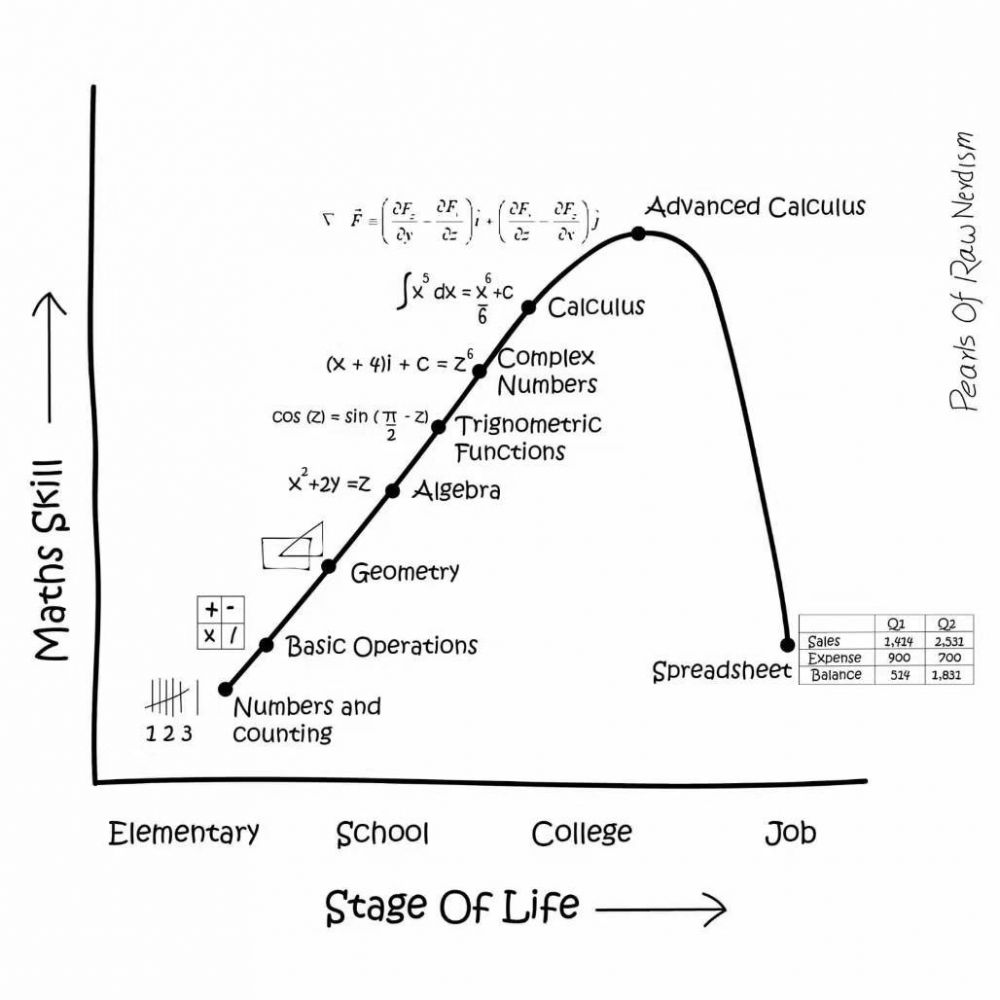
那么数学素质如何培养? 数学教育有其特殊的规律, 在一般的教育学中完全没有涉及(参看[4])。因此, 很多中学招聘数学教师, 宁可要数学专业出身但没学过教育学的, 也不愿要教育学出身但数学基础薄弱的。而让数学素质差的“教育家”指导数学教育则更是有害的。

我国历史上曾经有很多优质的数学教育和教材。民国时期采用较多的《3S平面几何》、《范氏大代数》等都是高水平的教科书, 而且是傅种孙、吴文俊等大师翻译的, 后来国内编写的教科书质量也很高; 解放初期所编写的数学教科书质量也都很高, 即使当时东北编的职工业余教材也远比当今的统编教材水平高; 1960年代的教科书, 内容有所弱化, 但基本架构未变。1977年恢复高考以后, 中学所采用的教科书基本上是翻印1960年代的教科书, 一直用1980年代。

1950-60年代在华罗庚先生的倡导下, 很多顶尖数学家参与中学数学教育, 写出了很多高水平(甚至在国际上也属高水平)的中学生读物。此外, 华罗庚先生还倡导和力行为中学生讲课、举办数学竞赛等 (参看[7]), 都取得了显著成效, 是培养数学素质的很好途径。

发达国家都很重视科技人才的培养, 其中数学教育是一个重要因素。 法国、英国、以色列、俄国、日本等国在中学数学教育方面都有很好的经验值得我国借鉴(参看[9])。例如法国的高水平中学在高中时已学习相当于我国的大学课程,中学毕业生预修一两年可参加Ecole入学考试, 若考取基本上相当于我国的直博, 而Ecole入学数学试题比我国的研究生入学数学试题深而且难。我国中学数学教育如果做得好, 应该也可以达到这样的水平。实际上在多年前我国就有这样水平的中学(参看[15])。

8. 失数学者失天下

近来美国发动的所谓“贸易战”, 惊醒了国内的很多梦中人, 有些人甚至感到了危机。其实危机本来就存在, 姜树生([5])在2015年就曾质问: 难道现在就不是“中华民族到了最危险的时候”?

然而“贸易战”打了一年, 中国所受的损失, 连“伤筋动骨”都谈不上。这实在不象个现代战争的样子。本来在经济、金融、贸易等领域, 所涉及到的数学比局部战争更多而且更深, 然而与海湾战争相比, “贸易战”在数学上差远了, 既没有建数学模型, 也没有用运筹学, 遑论更多更深的数学了。

如所周知, 美国是数学强国, 比中国强太多了, 例如美国有很多菲尔兹奖获得者而中国一个也没有。美国的数学教育也是世界上最强的之一, 例如领导国际数学发展潮流的Tate, Langlands等都是在美国获博士学位的。我国近年来有很多年轻的数学英才是美国培养出来的。

可是,在我国经常看到媒体宣传“中国数学教育碾压美国”, 这反差实在太大, 对美国稍有了解的人都会认为媒体胡说八道。但这“胡说八道”却是“情有可原”的, 因为美国的精英教育与普及教育严重分裂, 而我国媒体一般对于美国的精英教育毫无了解, 是用中国全民的教育与美国的普及教育相比,玩了“田忌赛马”。

不过美国的数学普及教育确实很烂, 这使得美国大多数人, 包括大多数政客的数学素质很低。尤其是决策者, 他们自己不懂得运筹学不会建模, 却也不找数学家来帮助决策。这样看来, 中国遇到今天的“战局”颇有侥幸的因素。

但中国不能靠侥幸。提高公民的数学素质,培养杰出的特别是尖端的科技人才,才是救国的正道。

发达国家的数学普及教育一般也很强。 然而美国却是个明显的例外, 数学非常强, 数学精英教育也非常强, 但数学普及教育竟然很烂,这确是一个十分费解的矛盾。

为了理解这个矛盾, 建议读者读莲溪的文章[11](此文相当长,但需要认真读完才可能有点明白, 浮躁的阅读是没用的)。 我们下面假定读者已读过这篇文章,仅做一点提纲式的说明。

不久前, 网上忽然出现很多纪念和吹捧胡适的老师杜威的文章,看上去颇为令人奇怪: 被中国抛弃了70年的杜威怎么突然红起来了,还有那么多粉丝? 如果读了[11]就不难理解了: 杜威是美国教育大忽悠的始作俑者,他的事业后来被很多人发扬光大,形成了强大的政治势力,构建了一套所谓“进步教育”体系,制造了很多种垃圾教材和垃圾教育法。胡适当年也曾把杜威请到中国来,可惜忽悠完全失败。但近年来国内一些人(基本上都是文科的)将美国这个垃圾体系引入中国,并逐步占据了垄断地位。这些人崇拜杜威就不奇怪了。

自杜威以后,美国的所谓“教育学家”逐步把持了数学基础教育,使得大多数人无法获得哪怕最低限度的合格的数学教育,而大批数学素质极差的人又反过来压制数学教育,这就是政治。自此数学垃圾教育体系逐步取得主导地位,它足以给美国数学普及教育造成毁灭性的伤害。

这个垃圾体系的主张“看上去很美”:“探究式教学法”,“新数学”,“开放教育”,“建构主义”,“团队合作”等等(参看[2], [11]),还有“不让一个孩子掉队” (别以为这是共产主义思想)。然而“在市场上常常可以看到一种情况:那个叫喊得最凶的和发誓得最厉害的人,正是希望把最坏的货物推销出去的人”。

美国的有识之士对此看得很清楚(参看[11]),如1983年由里根政府教育部长任命的一个专委出台了一份题为“危险中的国家”的报告,其中警告说:“我们的国家正处于危险中……我们国家的教育基础正被平庸所侵蚀,威胁着我们国家和民族的未来。假想哪个外国敌对势力想通过使美国教育平庸化来搞垮我们的话,那么我们甚至可以将美国当前的平庸教育视为对美国的宣战”。可惜这些有识之士在政治上没有多大权力。

中国改革开放以后, 很多国外的教育方式被介绍到中国来。这方面的论文非常多, 其中大部分是“教育学家”的论文。对于数学教育, 美国的“进步教育”体系特别受到青睐, 逐步占据了垄断地位。如[11]中所说:“中国2000年公布的数学教育标准,在理念、措辞、行文等多方面几乎是美国1989年NCTM数学标准的翻版”(参看[1])。按此标准统编的教科书, 和美国的垃圾教科书已经在很多方面一致:

1. 放弃科学严谨性,经常用“大俗话”来解释科学概念(参看 [6]);

2. 内容避难就易, 以致没有一个课题的内容是完整的, 更没有系统性(参看 [17]);

3. 浅尝辄止, 而且把很多重要的甚至关键的内容留给学生自己解决(参看[6]);

4. 用技术代替数学(教科书中各章节都有所谓“信息技术的应用”,其实只是教具的使用说明);

5. 不分专题(如代数、平面几何、三角、立体几何、解析几何等), 笼统地称为“数学”, 而且将各课题交错地讲(多次重复造成很大的浪费). 等等。

由此可见, 我国目前大多数中学的数学教材, 是有史以来最差的(参看[13]), 而且在质量上直追美国垃圾教材。与美国比烂, 没什么可骄傲的。

比美国更严重的一点是, 中国的教育有极强的垄断性, 有了“课标”以后就会“严禁超纲”。美国至少还有精英教育的通道可以培养人才, 而在中国却无路可走。

如果不准农民的产量“超纲”, 不准工人的产品质量“超纲”, 不准军人的军事技术“超纲”, 不准企业的效益“超纲”,不准运动员的成绩“超纲”等等, 肯定都是行不通的, 而且大家都会觉得荒唐。唯独教育却能“严禁超纲”, 这足以说明教育是当今中国垄断最顽固的领域。

原有的好教材(包括参考书和课外读物等)都抛弃, 华罗庚等大师开创的优质教育方法也都抛弃, 国外数学教育的好经验也不引入, 偏偏一门心思引入美国的垃圾体系, 而且奉为圭臬。这究竟是为什么?

近来多次看到这方面的“阴谋论”, 说是“第五纵队”从中国内部破坏中国教育。但未见有什么证据。其实问题未必有这么复杂, 甚至只是一个“权”字而已。

一些数学素质很差的“教育学家”, 没有能力做生产性的工作, 好的数学和数学教育他们也理解不了,却满脑子“学而优则仕”, 要当官。他们所用的“理论”与1950年代的“外行就是要领导内行”, 1960 年代的“马克思要统帅X”之类并无本质区别, 只是当今“政治挂帅”不太容易唬人了, 改用“人文”, “哲学”, “教育学”等, 仍是摆出一副高高在上的姿态, 为掌握权力而忽悠。

因此, 教育垃圾能够横行, 优质数学教育被打压(如严禁“超纲”, 取消数学竞赛等, 连“华罗庚金杯”这样的国际高水平数学竞赛都被取消), 根本原因是为了维护和加强某些人的权力。为了自己的权力和利益不惜牺牲国家前途民族命运, 这样的人被称为“教育汉奸”是当之无愧的。

而他们掌握教育大权的结果, 将是进一步压低中国公民的数学素质, 并将高科技人才的培养掐死在中学阶段。

尽管“贸易战”使中国遇到很多的困难, 中国是不会被压垮的。中国若要垮, 必是由于内部的蛀虫, 即那些为了自己的权力和利益不惜牺牲国家前途民族命运的人。

因此, 为了挽救中国的危亡, 必须拯救数学教育。为此一要破除教育垄断, 二要将教育汉奸赶下权力的宝座。

为了排除伪“教育家”的干扰, 数学基础教育应由数学界主导, 尤其要依靠那些不计名利投入中学教育的数学大师们。

教育是当今大多数中国人忧虑的问题, 希望很多人能够不只是看到一些表面现象, 提出一些肤浅的诉求, 而是将眼界放开阔些, 对问题看得深刻些, 提出关键性的诉求。

国家兴亡, 匹夫有责。

 

参考文献

[1] 初中数学新课程标准(2011年版)

[2] 方帆: 探究式教学法是一种垃圾教学法理论

[3] 冯琦: 《数理逻辑导引》, 中国科学院大学教程 (2017)

[4] 姜树生: 谈数学教育的特殊性 —- 兼谈如何处理数学与教育学的关系. 数学通报 2008 年第 4 期

[5] 姜树生: 李克强总理关于数学的发言与社会反响 (2015.4.)

[6] 姜树生: 现行统编中学数学教科书有多烂 (2016.11.)

[7] 李克正: 缅怀和发扬华罗庚先生对中国青少年数学人才培养的贡献 (2010.9.)

[8] 李克正: 《数学的哲学意义》 (首都师范大学讲义 2011-2013)

[9] 李克正: 英国中学数学人才培养考察报告. 数学通报 2012年第10期

[10] 李克正: 关于初等几何习题 (2018.5.)

[11] 莲溪: 是谁夺走了美国人的数学能力?–美国百年数学战争演义

[12] 任正非 2019 年 5 月 21 日答记者问

[13] 咸道: 致家长

[14] 严士健主编: 《面向 21 世纪的中国数学教育》. 江苏教育出版社 (1994)

[15] 尹裕: 寻回美好的中学时代. 数学通报 2006 年第 1 期

[16] 尹裕: 精英教育的迫切性与中国教育危机. 数学通报 2009 年第 4 期

[17] 朱忠明: 中学数学教程和高校数学教程的衔接问题探讨 (2016.11.)

[18] 朱忠明: 中学生数学素养测评模型的构建与实测研究 (2018.5.)

pp5

2019 AMC 8 Problems and Answers

This image has an empty alt attribute; its file name is 2019-amc8-1.jpg

The AMC 8 is administered from November 12, 2019 until November 18, 2019. According to the AMC policy, students, teachers, and coaches are not allowed to discuss the contest questions and solutions until after the end of the competition window, as emphasized in 2019 AMC 8 Teacher’s Manual.

We posted the 2019 AMC 8 Problems and Answers at 12 a.m. (EST) midnight on November 19, 2019. You can click the following to download them:

Continue reading

Three Reasons to Study Math

Do you enjoy the challenge of searching out patterns and solving puzzles? Mathematics is a multi-faceted subject that emphasizes logic and encourages innovation. The ability to apply mathematical concepts and principles can be useful in virtually any industry. Here are three key reasons to study math:

1. Math can be used to solve real-world problems.

Problem solving is the essence of any career in math. The Society for Industrial and Applied Mathematics notes that studying math can prepare you to deal with questions like the following:

  • How can transportation providers design their schedules to minimize downtime and reduce maintenance costs?
  • Can ethanol realistically replace fossil fuels?
  • How might an uncontained epidemic of disease spread throughout the world’s population?
  • How do variables like weather and tree type affect the spread of a forest fire?
  • How can investments be arranged for minimum risk with maximum reward?

2. Math majors have some of the highest levels of job satisfaction.

A math education can lead to some of the most rewarding and satisfying careers out there. In one study that ranked 200 careers based on job environment, income, outlook, and stress, four of the top 10 jobs were directly related to math: data scientist (#1), statistician (#2), mathematician (#8), and actuary (#10).

3. Math provides a solid foundation for advanced studies in other fields.

Even if you see yourself pursuing a professional career in another field, it could be worth your while to start by studying math. Candidates with an undergraduate degree in math are often looked upon favorably by programs in law, medicine, business, and engineering because math majors tend to have the analytical and problem-solving skills that allow them to excel in those areas. In fact, one study found that, on average, math grads performed better on both the Law School Admission Test (LSAT) and Graduate Management Admission Test (GMAT) than test takers from 13 other disciplines.

References:

This image has an empty alt attribute; its file name is depositphotos_286520802-stock-illustration-panda-doing-math-illustration-vector.jpg

Jobs for Math Majors

Studying mathematics develops such skills as arguing logically and rigorously, thinking abstractly, formulating and solving problems, analyzing data, and creating and analyzing mathematical models. Employers value these skills so consequently, math majors find themselves in demand by employers for careers in a wide spectrum of fields.

A bachelor’s degree in mathematics will prepare you for jobs in statistics, actuarial sciences, mathematical modeling, cryptography, and mathematics education, as well as prepare you for graduate school leading to a research career in engineering, mathematics or statistics. A strong background in mathematics is also necessary for research in many areas of computer science and social science. Below is a sample list of the many fields where math majors are in demand.

Mathematical Modeling

In mathematical modeling, equations are used to describe how a real world system behaves. Building a mathematical model involves a multi-stage process whereby you study a problem, write down the equations, use them to predict what will happen, see if your predictions agree with experiments, modify the equations if necessary, make new predictions, and so on.

The “system” can be applied to many different fields. For example, most financial companies hire mathematicians to study financial models and make predictions based on statistical evidence. In physics or engineering you might investigate how heat is dissipated through the heat shield of a space vehicle. In physiology you may apply the laws of fluid dynamics to describe how blood flows in vessels and what happens when blood pressure is increased. In economics you might predict how a strike in the automotive industry will affect other parts of the economy.

The model may be solved exactly (you may be able to write down a function that tells you the values you want to know), may be solved using approximated values because they can’t be found exactly, or the model may have to be simulated on a computer (i.e., let the computer imitate the real system) to see what happens as you change the parameters. The power of mathematics comes from its ability to handle general abstract problems and then to apply these general methods to an enormous variety of problems.

Finance

Wall Street has become a major employer of math majors. Trying to match the outstanding success of multi-billionaire Differential Geometer, James Simons (founder of the Renaissance Technologies Corporation and the top hedge fund, the Medallion Fund), many investment and financial firms consider mathematicians prized hires.

Statistics

The proliferation of statistics in everything ranging from business to government has induced many organizations to seek math majors for employment. Statisticians use surveys (e.g. opinion polls) to predict the patterns of behavior of large groups based on relatively small samples. They ask questions such as how can we be sure that what we predict from our small sample is true of the population being sampled? Probability theory provides the theoretical foundation for statistics.

Insurance is one business with an extreme interest in statistics. Actuaries are the (highly paid) specialists who are responsible for compiling and analyzing statistics to order to calculate insurance risks and premiums for a company.

Computer Science

The computer industry provides numerous lucrative jobs for math majors. Beyond mere proficiency in computer programming, math majors are trained to address the more fundamental issues involved in the creation of new algorithms. Plenty of sophisticated computer applications – such as creating computer graphics or compressing video and audio signals – involve a great deal of deep mathematics which, as a result, leads many computer companies to specifically hire math majors.

Cryptography

One area that is particularly “hot” these days is cryptography – the making and breaking of secret codes. The CIA, NSA, and other spy agencies aren’t the only devotees. Numerous businesses also require cryptography. Cable TV companies encode their signals, forcing the viewer to rent their decoding devices in order to turn the signals back into a television picture and banks employ cryptography in order to protect the privacy and integrity of their transactions.Number theory is the branch of pure mathematics which provides the theoretical underpinnings for much of the recent progress in cryptography.

Biotech

Recent breakthroughs in the study of DNA and proteins have generated a great deal of interest in mathematical biology. Many biotech companies hire mathematics majors because of the high (and growing) mathematical content of the field.

Teaching

If you would like to give back to your community and serve children, teaching mathematics at the secondary school level can be very rewarding. Every year, roughly half of the positions advertised for secondary school teachers in math go unfilled so schools are in need of qualified math majors.

Graduate School

If at the end of your undergraduate years, you have fallen in love with the beauty of mathematics and want to learn more, graduate school in mathematics or a related field such as operation research, economics, computer science is an option. Graduate school students usually receive nominal compensation to pursue a Master’s degree or PhD. With a graduate degree, you can find a teaching or research job in academia, or a leadership position in industry.

Middle School Competitive Math (for 4th to 7th Graders) Special Winter Session Starting Nov. 23

The period of time between 4th-7th grade is most critical to the development of students’ mathematical fascinations, interests, and skills!

See: 2018 AMC 8 Results Just Announced — Three Students Received Perfect Scoresmath-contest

Purpose: To prepare for math competitions, such as

mathequalsawesomelogo

Special Winter Session
8 Weekends (Eastern Time: 6:00 – 8:00 pm), Total: 16 Hours
11/23,  12/7,  12/14 (Monthly Mock Test/Review)
1/4,  1/11,  1/18 (Monthly Mock Test/Review)
1/25, 2/1 (Final Mock Test/Review)

Online Registration is now open! Click HERE to register.
(Payment can be made by check or via PayPal.)

Tuition (including all materials)
New Students: $520  Buy Now Button
Returning Students: $505  Buy Now Button

Click HERE to see payment and refund policy.

commitment to the whole course can maximize the benefit of learning all the math ideas, methods, strategies, tactics, skills, and techniques.

Location:
18206 Endora Cir, Germantown, MD 20841 (Three spots are available!)

  • Instructors will ask students questions, and students can also ask questions during the class or email their questions to instructors after class.
  • We record all of our lessons so that our students can watch them after class for review and self-study.
  • We will help students gain a deeper understanding of the fundamental math concepts, build a solid foundation in math, and develop the critical thinking and problem-solving skills different from those in the school classes, motivation, and perseverance for reaching their full potential.
  • We will focus on efficient tricks, shortcuts, and strategies to solve competitive math problems as well as test-taking tactics.
  • The emphasis of this class will be on comprehensive problem-solving, which is very common in competitive math, but is not included in school curriculum.
  • We will utilize a highly effective teaching model as described in the article: Small-sized Class Instruction-focused Model.

Instructors: Dr. Henry Wan

Contact Information:
Ivy League Education Center
Tel:  301-922-9508                Email:  chiefmathtutor@gmail.com

Levels: Grades 4-7

Specific Goal of the AMC 8:Math-Competitions

To become part of the top 5% of scorers on the 2020 AMC 8, and then receive National Honor Roll Certificates.

Specific Goal of the MathCounts:

To become one of the top winners in the individual competition at the school level and then advance to the chapter competition.

AMC-General

There are many math competitions in the United States. Of those, only

AMC → AIME → USAMO sequence

would take you to the IMO (International Math Olympiad), the highest level math competition for high school students in the world!

Description: Our curriculum focuses on advancing the mathematical skills of 4th-7th graders to prepare them for math competitions, such as Mathcounts, AMC 8, Math Olympiads for Elementary and Middle Schools (MOEMS), Math Kangaroo, and Math League. A variety of contest questions are used to teach students strategies to solve problems and help students prepare for the competitions. These problems stimulate their interest and enthusiasm for critical thinking and problem solving, broaden their mathematical intuition, and develop their brainpower. The topics taught in this class are not covered in regular school math classes, allowing our students to stay one step ahead.

Benefits:

  • 8 tutorial handouts (400 pages) developed by Dr. Henry Wan and 500 new problems similar to AMC 8 level from the licensed AMC Database
  • 3 FREE mock tests, each of which has 25 questions taken from the licensed AMC Database. Mock tests are calibrated to be at the same difficulty level as the real AMC 8. 
  • FREE registration for the AMC 8 Contest on Tuesday, November 17, 2020. 

AMC Logo

Although this year’s AMC 8 contest has been held on November 12, 2019, we must prepare in advance for the 2020 AMC 8. As the great scientist Louis Pasteur said, “Chance favors only the prepared mind.” Those who strive to prepare early, and work hard are the ones who achieve the best results. The AMC is a complex math competition that requires dedication and focus. Therefore, the earlier our students start preparing, the better their scores will be. 

Read more at:

Class Outline:
We will focus on efficient tricks, shortcuts, and strategies to solve competitive math problems as well as test-taking tactics. The emphasis of this class will be on comprehensively problem-solving which is the most important to competitive math.

Class Date Topic
1 11/23, Sat Problem solving in quadratic equations and Vieta’s formulas
2 12/7, Sat Geometric interpretation of quadratic equations
3 12/14, Sat Special factorizations and Special Factoring Trick –– completing the rectangle
4 1/4, Sat Newly defined operations and functions
5 1/11, Sat Primes and efficient strategies for testing primality
6 1/18, Sat Finding the last two digits of a large power
7 1/25, Sat Coordinate geometry
8 2/1, Sat Using the stars and bars method to solve AMC problems associated with number theory, counting, and probability

Mock Test:
Three simulated tests will help students assess their level of preparation for the Math Competitions. The test consists of 25 questions similar to AMC 8/MathCounts level from the licensed AMC Database, and is intended to mimic an actual math competition exam. After attempting the test, students get answers, explanations, and a detailed score report and wise performance summary.

Homework
On average, at least 2 hours per week, as described in the article: Homework assignments are a fundamental part of our courses. Click HERE to see a typical homework sample we developed. Each week, we will carefully review and check 3 students’ homework, and correct any mistakes. The next week, we will check another 3 students’ homework, and this will continue on a rotational basis until all students have had their homework checked at least once and the cycle will start again. Based on the work of the 3 students that week, we will provide the those 3 students with individualized proposal and support. More details can be found in the article: Homework Correction is very Important — We Give an Extensive Correction of the Incorrect Answers of All Homework.

lets-do-the-math-1-728

We have to face the simple truth that to do well on these grueling contests, we will need to practice. Just like it is for sports and music, the key to success is repetition and practice. We strongly believe in effort and the malleability of intelligence. Intelligence can be enhanced through effort. People can develop impressive levels of expertise through hard work and practice. Effort and persistence are the keys to success. Hard work always pays off: practice makes perfect!

All problems from past AMC 10 exams (2000-2019) and MathCounts (1990–2019) form our “big data” system. Based on artificial intelligence (AI), machine learning, and deep learning, we devised a data mining and predictive analytics tool for math problem similarity searching. Using this powerful tool, we examined the types, styles, frequencies, characteristics, and traits of questions in all these materials, and then completely “decoded” the AMC and MathCounts. We will show all the “secret code” cracked from the above big data to students, and teach them to totally grasp and “control” the AMC and MathCounts. For all questions on the recent AMC/MathCounts contests, we can find their “ancestors” and “roots” from the old AMC/MathCounts problems. Therefore, the best way to prepare for the contest is to practice by solving old AMC/MathCounts problems.

https___img_evbuc_com_https%253A%252F%252Fcdn_evbuc_com%252Fimages%252F14806251%252F149172474682%252F1%252Foriginal

Main Purpose:

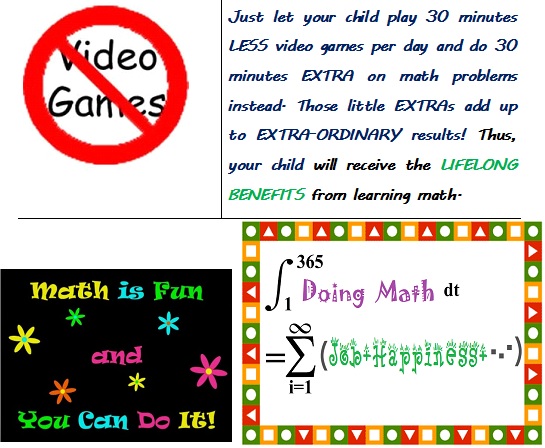
Our main purpose is to help our students gain deeper understanding of the fundamental math concepts, build a solid foundation in math, and develop the critical thinking and problem-solving skills that are so valuable to success in any career. We are big believers in the FUNDAMENTALS! Our students will receive the LIFELONG BENEFITS from learning math.

Regardless of his/her math level, each student will have the opportunity to learn math in a fun, friendly, cooperative, supportive learning environment. The most important thing is to have fun.

Bronze_medal

Our Students

In 2019, we had 4 students qualified for the USAMO and 4 Students for the USAJMO.

  • Of the 280 USA Math Olympiad national qualifiers, 4 are our students: Luke C., Zipeng L., Sameer P., and Peter P.
  • Of the 235 USA Junior Math Olympiad national qualifiers, 4 are our students: Michael H., Noah W., Holden W., and Isabella Z.

Read more at: 2019 USAMO and USAJMO Qualifiers Announced — Four Students Qualified for the USAMO and Four Students for the USAJMO

In 2019, we had 76 students who are qualified to take the AIME either through the AMC 10A/12A or AMC 10B/12B. One of our students was among the 22 Perfect Scorers worldwide on the AMC 10A: Noah W.and one of our students were among the 10 Perfect Scorers worldwide on the AMC 12B: Kenneth WVery impressively, 32 middle schoolers and 7 elementary schoolers qualified for the AIME!

In 2018, we had 64 students who obtained top scores on the AMC 8 contest!

  • of our students were among the top 44 National Winners (Perfect Scorers): Eric B., Kevin Y., and Isabella Z.
  • 40 students received National Distinguished Honor Roll Certificates awarded to top 1% test takers.
  • 21 students received National Honor Roll Certificates awarded to top 5% test takers.
  • 64 out of our 66 students (96.5%) received National Awards for the AMC 8 from the Mathematical Association of America

Read more at: 2018 AMC 8 Results Just Announced — Three Students Received Perfect Scores

In 2018, we had 73 students who are qualified to take the AIME either through the AMC 10A/12A or AMC 10B/12B. Two of our students were among the 35 Perfect Scorers worldwide on the AMC 10A: Austen M. and Jason W.  and two of our students were among the 21 Perfect Scorers worldwide on the AMC 12B: Kaan D. and Edward W. Remarkably, 11 middle schoolers and 2 elementary schoolers qualified for the AIME!

In 2017, we had 63 students who earned top scores on the AMC 8 contest!

  • of our students were among the top 75 National Winners (Perfect Scorers).
  • 34 students received National Distinguished Honor Roll Certificates awarded to top 1% test takers.
  • 22 students received National Honor Roll Certificates awarded to top 5% test takers.
  • 63 out of our 65 students (97%) received National Awards for the AMC 8 from the Mathematical Association of America

Read more at: 2017 AMC 8 Results Just Announced — Seven Students Received Perfect Scores

In 2017, we had 61 students who are qualified to take the AIME either through the AMC 10A/12A or AMC 10B/12B. One of our students was among the 28 Perfect Scorers worldwide on the AMC 10A: Austen M., and two of our students were among the 65 Perfect Scorers worldwide on the AMC 10B: Ashwin A. and Brad Z. Remarkably, eight middle schoolers and one elementary schooler qualified for the AIME, which is geared toward high school students. Very impressively, Bryan Z., a 6th grader, gained a score of 132 out of 150 on the AMC 10B.Read more at: 2017 AIME Qualifiers Announced — 61 Students Qualified for the AIME

In 2016, we had 36 students who are qualified to take AIME either through AMC 10A/12A or AMC 10B/12B. One of our students was among the 23 Perfect Scorers worldwide on the AMC 10A: Joel (Junyao) T. Particularly, seven middle schoolers and one elementary schooler qualified for the AIME, which is geared toward high school students. Pravalika P., a 6th grader, got a 115.5 out of 150 on the AMC10B, which is very impressive. Read more at: 2016 AIME Qualifiers Announced — 36 Students Qualified for AIME

2011 – 2015: In total, 37 students scored above 120 on the American Mathematics Contest 10 (AMC 10) and qualified for the American Invitational Mathematics Examination (AIME); 26 students scored above 100 on the American Mathematics Contest 12 (AMC 12) and qualified for the American Invitational Mathematics Examination (AIME); 3 students qualified for the USA Mathematical Olympiad (USAMO), the highest level of math competition for high school students in the USA

2011 – 2015: In total, 23 students achieved perfect scores of 28 on the AMC 8

Read more at: Notable Achievements of Our Students

AAEAAQAAAAAAAAKeAAAAJDkzYTk2ZjE5LTk1YWQtNDBkNy1hZDhjLTVjOTA2YWQ2NmQ2Mw

Our Uniqueness

We have a long history of close collaboration with the MAA‘s American Mathematics Competitions (AMC), which are dedicated to strengthening the mathematical capabilities of our nation’s youth, and are the first of a series of competitions in high school mathematics that determine the United States team for the International Mathematical Olympiad (IMO).

We are only one in the Washington DC metropolitan area to offer elementary, middle, and high-school level competition math courses. Our students have received top scores and awards at prestigious national math competitions.

Great Benefits of Math Competitions

In an increasingly competitive college application pool, the process of mastering math skills through our courses and participating in the American Math Competitions will help students strengthen and diversify their extracurricular activities. These contests can motivate students’ interest and passion in math, and they can discover their talent through solving challenging problems different from those in the school classes. Many top colleges also request AMC scores as part of the college application process. Both MIT and Caltech have entry blanks on their official admission application forms for the applicant to enter their best AMC and AIME scores. Ivy League Colleges and Stanford ask for to the AMC and AIME scores in their Supplement to the Common Application Forms. Your children deserve the chance to list these scores on their applications! Good AMC scores will greatly enhance admission opportunities for students to elite colleges.

Read more:

2014124135627709

Click HERE find out more about Math Competitions!sat-logo-3

Click HERE to find out more about SAT Prep!

education priceless treasure3HERE

AMC 10 (Beginner Level)/Mathcounts Prep (for 5th to 8th Graders) Winter Weekend Course Starting Nov 23

The period of time between 5th-8th grade is critical to the development of students’ mathematical fascinations, interests, and skills!

Purpose: To prepare for math competitions, such as

mathequalsawesomelogo

Winter 2019-2020 Schedule
8 Weekends (Eastern Time: 6:00 – 8:00 pm), Total: 16 Hours
11/23,  12/7,  12/14 (Monthly Mock Test/Review)
1/4,  1/11,  1/18 (Monthly Mock Test/Review)
1/25, 2/1 (Final Mock Test/Review)

Instructor: 

Location:
18206 Endora Cir, Germantown, MD 20841 (Two spots are available!)

This class is especially suitable for those students who will take the AMC 10 contest for the first time.

Online Registration is now open! Click HERE to register.
(Payment can be made by check or via PayPal.)

Tuition (including all materials)
New Students: $520  Buy Now Button
Returning Students: $505  Buy Now Button

Click HERE to see payment and refund policy.

commitment to the whole course can maximize the benefit of learning all the math ideas, methods, strategies, tactics, skills, and techniques.

  • Instructors will ask students questions, and students can also ask questions during the class or email their questions to instructors after class.
  • We record all of our lessons so that our students can watch them after class for review and self-study.
  • We will help students gain a deeper understanding of the fundamental math concepts, build a solid foundation in math, and develop the critical thinking and problem-solving skills different from those in the school classes, motivation, and perseverance for reaching their full potential.
  • We will focus on efficient tricks, shortcuts, and strategies to solve competitive math problems as well as test-taking tactics.
  • The emphasis of this class will be on comprehensive problem-solving, which is very common in competitive math, but is not included in school curriculum.
  • We will utilize a highly effective teaching model as described in the article: Small-sized Class Instruction-focused Model.

Contact Information:
Ivy League Education Center
Tel:  301-922-9508                Email:  chiefmathtutor@gmail.com

Specific Goal of the AMC 10:
To earn a score of 90 or more out of 150 on the 2019 AMC 10, and then receive National Achievement Honor Roll Certificates.

Specific Goal of the MathCounts:
To become one of the top winners in the individual competition at the chapter level and then advance to the state competition.

AMC-General

There are many math competitions in the United States. Of those, only AMC → AIME → USAMO sequence would take you to the IMO (International Math Olympiad), the highest level math competition for high school students in the world!

Description: 
Our curriculum focuses on advancing the mathematical skills of rising 5th-8th graders to prepare them for AMC 10 and MathCounts. A variety of contest questions, including the first 15 problems on the AMC 10, and MathCounts Competition problems at the school, chapter, state, and national level, are used to teach students strategies to solve problems and help students prepare for the competitions. These problems stimulate their interest and enthusiasm for critical and creative thinking and problem solving, broaden their mathematical intuition, and develop their brainpower. The topics taught in this class are not covered in regular school math classes, allowing our students to stay one step ahead.

Benefits:

    • 8 tutorial handouts (400 pages) developed by Dr. Henry Wan and 500 new problems at the AMC 10 level taken from the licensed AMC Database
    • 48 past real MathCounts test booklets at the school, chapter, state, and national level from 2010–2019
    • 3 FREE mock tests, each of which has 25 questions taken from the licensed AMC Database. Mock tests are calibrated to be at the same difficulty level as the real AMC 10. 
    • FREE registration for the AMC 10/12A — Tuesday, February 7, 2019 and/or AMC 10/12B — Wednesday, February 15, 2019. Please see:
    •  The AMC 10/12 Contests at Montgomery College on February 7, 2019, and February 13, 2019

AMC LogoRead more at:

Class Outline:
We will focus on efficient tricks, shortcuts, and strategies to solve competitive math problems as well as test-taking tactics. The emphasis of this class will be on comprehensively problem-solving which is the most important to competitive math.

Class Date Topic
1 11/23, Sat Problem solving in quadratic equations and Vieta’s formulas
2 12/7, Sat Special Factoring Trick –– Completing the Rectangle
3 12/14, Sat Newly defined operations and functions
4 1/4, Sat Efficient Strategies for Testing Primality
5 1/11, Sat Finding the last two digits of a large power
6 1/18, Sat Pythagorean Theorem and Side Based Special Right triagnles
7 1/25, Sat Angle Based Special Right Triangles (30o-60o-90o Triangles and 45o-45o-90o Triangles)
8 2/1, Sat Using the Stars and Bars Method to Solve AMC Problems associated with Number Theory, Counting, and Probability

Mock Test:
Three simulated tests will help students assess their level of preparation for the Math Competitions. The test consists of 25 questions at the AMC 10 level from the licensed AMC Database, and is intended to mimic an actual math competition exam. After attempting the test, students get answers, explanations, and a detailed score report and wise performance summary.

Homework
On average, at least 2 hours per week, as described in the article: Homework assignments are a fundamental part of our courses. Click HERE to see a typical homework sample we developed. Each week, we will carefully review and check 3 students’ homework, and correct any mistakes. The next week, we will check another 3 students’ homework, and this will continue on a rotational basis until all students have had their homework checked at least once and the cycle will start again. Based on the work of the 3 students that week, we will provide the those 3 students with individualized proposal and support. More details can be found in the article: Homework Correction is very Important — We Give an Extensive Correction of the Incorrect Answers of All Homework.

lets-do-the-math-1-728

We have to face the simple truth that to do well on these grueling contests, we will need to practice. Just like it is for sports and music, the key to success is repetition and practice. We strongly believe in effort and the malleability of intelligence. Intelligence can be enhanced through effort. People can develop impressive levels of expertise through hard work and practice. Effort and persistence are the keys to success. Hard work always pays off: practice makes perfect!

All problems from past AMC 10 exams (2000-2019) and MathCounts (1990–2019) form our “big data” system. Based on artificial intelligence (AI), machine learning, and deep learning, we devised a data mining and predictive analytics tool for math problem similarity searching. Using this powerful tool, we examined the types, styles, frequencies, characteristics, and traits of questions in all these materials, and then completely “decoded” the AMC and MathCounts. We will show all the “secret code” cracked from the above big data to students, and teach them to totally grasp and “control” the AMC and MathCounts. For all questions on the recent AMC/MathCounts contests, we can find their “ancestors” and “roots” from the old AMC/MathCounts problems. Therefore, the best way to prepare for the contest is to practice by solving old AMC/MathCounts problems.

https___img_evbuc_com_https%253A%252F%252Fcdn_evbuc_com%252Fimages%252F14806251%252F149172474682%252F1%252Foriginal

Main Purpose: 

Our main purpose is to help our students gain deeper understanding of the fundamental math concepts, build a solid foundation in math, and develop the critical thinking and problem-solving skills that are so valuable to success in any career. We are big believers in the FUNDAMENTALS! Our students will receive the LIFELONG BENEFITS from learning math.

Regardless of his/her math level, each student will have the opportunity to learn math in a fun, friendly, cooperative, supportive learning environment. The most important thing is to have fun.

Bronze_medal

Our Students

In 2019, we had 4 students qualified for the USAMO and 4 Students for the USAJMO.

  • Of the 280 USA Math Olympiad national qualifiers, 4 are our students: Luke C., Zipeng L., Sameer P., and Peter P.
  • Of the 235 USA Junior Math Olympiad national qualifiers, 4 are our students: Michael H., Noah W., Holden W., and Isabella Z.

Read more at: 2019 USAMO and USAJMO Qualifiers Announced — Four Students Qualified for the USAMO and Four Students for the USAJMO

In 2019, we had 76 students who are qualified to take the AIME either through the AMC 10A/12A or AMC 10B/12B. One of our students was among the 22 Perfect Scorers worldwide on the AMC 10A: Noah W.and one of our students were among the 10 Perfect Scorers worldwide on the AMC 12B: Kenneth WVery impressively, 32 middle schoolers and 7 elementary schoolers qualified for the AIME!

In 2018, we had 64 students who obtained top scores on the AMC 8 contest!

  • of our students were among the top 44 National Winners (Perfect Scorers): Eric B., Kevin Y., and Isabella Z.
  • 40 students received National Distinguished Honor Roll Certificates awarded to top 1% test takers.
  • 21 students received National Honor Roll Certificates awarded to top 5% test takers.
  • 64 out of our 66 students (96.5%) received National Awards for the AMC 8 from the Mathematical Association of America

Read more at: 2018 AMC 8 Results Just Announced — Three Students Received Perfect Scores

In 2018, we had 73 students who are qualified to take the AIME either through the AMC 10A/12A or AMC 10B/12B. Two of our students were among the 35 Perfect Scorers worldwide on the AMC 10A: Austen M. and Jason W.  and two of our students were among the 21 Perfect Scorers worldwide on the AMC 12B: Kaan D. and Edward W. Remarkably, 11 middle schoolers and 2 elementary schoolers qualified for the AIME!

In 2017, we had 63 students who earned top scores on the AMC 8 contest!

  • of our students were among the top 75 National Winners (Perfect Scorers).
  • 34 students received National Distinguished Honor Roll Certificates awarded to top 1% test takers.
  • 22 students received National Honor Roll Certificates awarded to top 5% test takers.
  • 63 out of our 65 students (97%) received National Awards for the AMC 8 from the Mathematical Association of America

Read more at: 2017 AMC 8 Results Just Announced — Seven Students Received Perfect Scores

In 2017, we had 61 students who are qualified to take the AIME either through the AMC 10A/12A or AMC 10B/12B. One of our students was among the 28 Perfect Scorers worldwide on the AMC 10A: Austen M., and two of our students were among the 65 Perfect Scorers worldwide on the AMC 10B: Ashwin A. and Brad Z. Remarkably, eight middle schoolers and one elementary schooler qualified for the AIME, which is geared toward high school students. Very impressively, Bryan Z., a 6th grader, gained a score of 132 out of 150 on the AMC 10B.Read more at: 2017 AIME Qualifiers Announced — 61 Students Qualified for the AIME

In 2016, we had 36 students who are qualified to take AIME either through AMC 10A/12A or AMC 10B/12B. One of our students was among the 23 Perfect Scorers worldwide on the AMC 10A: Joel (Junyao) T. Particularly, seven middle schoolers and one elementary schooler qualified for the AIME, which is geared toward high school students. Pravalika P., a 6th grader, got a 115.5 out of 150 on the AMC10B, which is very impressive. Read more at: 2016 AIME Qualifiers Announced — 36 Students Qualified for AIME

2011 – 2015: In total, 37 students scored above 120 on the American Mathematics Contest 10 (AMC 10) and qualified for the American Invitational Mathematics Examination (AIME); 26 students scored above 100 on the American Mathematics Contest 12 (AMC 12) and qualified for the American Invitational Mathematics Examination (AIME); 3 students qualified for the USA Mathematical Olympiad (USAMO), the highest level of math competition for high school students in the USA

2011 – 2015: In total, 23 students achieved perfect scores of 28 on the AMC 8

Read more at: Notable Achievements of Our Students

AAEAAQAAAAAAAAKeAAAAJDkzYTk2ZjE5LTk1YWQtNDBkNy1hZDhjLTVjOTA2YWQ2NmQ2Mw

Our Uniqueness

We have a long history of close collaboration with the MAA‘s American Mathematics Competitions (AMC), which are dedicated to strengthening the mathematical capabilities of our nation’s youth, and are the first of a series of competitions in high school mathematics that determine the United States team for the International Mathematical Olympiad (IMO).

We are only one in the Washington DC metropolitan area to offer elementary, middle, and high-school level competition math courses. Our students have received top scores and awards at prestigious national math competitions.

Great Benefits of Math Competitions

In an increasingly competitive college application pool, the process of mastering math skills through our courses and participating in the American Math Competitions will help students strengthen and diversify their extracurricular activities. These contests can motivate students’ interest and passion in math, and they can discover their talent through solving challenging problems different from those in the school classes. Many top colleges also request AMC scores as part of the college application process. Both MIT and Caltech have entry blanks on their official admission application forms for the applicant to enter their best AMC and AIME scores. Ivy League Colleges and Stanford ask for to the AMC and AIME scores in their Supplement to the Common Application Forms. Your children deserve the chance to list these scores on their applications! Good AMC scores will greatly enhance admission opportunities for students to elite colleges.

Read more:

2014124135627709

Click HERE find out more about Math Competitions!sat-logo-3

Click HERE to find out more about SAT Prep!

only-way-poster

mathis_1

AMCAMC_Airlines_logo_svg

Investing-in-Education

education priceless treasure

3.jpgMathCompetition4

61631996YouCanDoItPuppy

2019-2020 Winter – Competitive Math Courses

Winter is the Golden time to prepare for the American Mathematics Competitions!

Only undertake what you can do in an excellence fashion. There are no prizes for average performance.

See more at:

BANNER_Top_Mathletics
Competitive Math Program — Winter Schedule

Class Day/Time Grade
AMC 10/12 Prep 8 Classes (Eastern Time: 6:00 – 8:30 pm), Total: 20 Hours
11/24,  12/8,  12/15,  1/5,  1/12,  1/19,  1/26,  2/2
View Course Outline
7-12
Online Intensive AMC 10/12 Prep 8 Classes (Eastern Time: 6:00 – 8:30 pm), Total: 20 Hours
11/24,  12/8,  12/15,  1/5,  1/12,  1/19,  1/26,  2/2
View Course Outline
7-12
AMC 10 (Beginner Level)/Mathcounts Prep 8 Classes (Eastern Time: 6:00 – 8:00 pm), Total: 16 Hours
11/23,  12/7,  12/14,  1/4,  1/11,  1/18,  1/25,  2/1
View Course Outline
5-8
Online AMC 10 (Beginner Level)/Mathcounts Prep 8 Classes (Eastern Time: 6:00 – 8:00 pm), Total: 16 Hours
11/23,  12/7,  12/14,  1/4,  1/11,  1/18,  1/25,  2/1
View Course Outline
5-8
Middle School Competitive Math Special Winter Session 8 Classes (Eastern Time: 6:00 – 8:00 pm), Total: 16 Hours
11/23,  12/7,  12/14,  1/4,  1/11,  1/18,  1/25,  2/1
View Course Outline
4-7
Online Middle School Competitive Math Special Winter Session 8 Classes (Eastern Time: 6:00 – 8:00 pm), Total: 16 Hours
11/23,  12/7,  12/14,  1/4,  1/11,  1/18,  1/25,  2/1
View Course Outline
4-7

Team_Building-338.fc.image

There are many math competitions in the United States. Of those, only

AMC → AIME → USAMO sequence

would take you to the IMO (International Math Olympiad), the highest level math competition for high school students in the world!

AMC-General

Featured Math Instructors

All of our sessions are taught by highly qualified instructors who are excellent experts on preparing students for the exam. We distinguish ourselves by the high quality of our instructors. Finding top-quality instructors is no easy task. We’ve hand-picked some of the best, including graduates of Ivy League institutions.

Our instructors are dedicated to teaching and student success. They are very knowledgeable, patient, available, and willing to help our students. Our students receive a quality education that goes beyond the classroom.

Meet some of them here:

IMG_2563_0

Bronze_medal

Our Students

In 2019, we had 4 students qualified for the USAMO and 4 Students for the USAJMO.

  • Of the 280 USA Math Olympiad national qualifiers, 4 are our students: Luke C., Zipeng L., Sameer P., and Peter P.
  • Of the 235 USA Junior Math Olympiad national qualifiers, 4 are our students: Michael H., Noah W., Holden W., and Isabella Z.

Read more at: 2019 USAMO and USAJMO Qualifiers Announced — Four Students Qualified for the USAMO and Four Students for the USAJMO

In 2019, we had 76 students who are qualified to take the AIME either through the AMC 10A/12A or AMC 10B/12B. One of our students was among the 22 Perfect Scorers worldwide on the AMC 10A: Noah W.and one of our students were among the 10 Perfect Scorers worldwide on the AMC 12B: Kenneth WVery impressively, 32 middle schoolers and 7 elementary schoolers qualified for the AIME!

In 2018, we had 64 students who obtained top scores on the AMC 8 contest!

  • of our students were among the top 44 National Winners (Perfect Scorers): Eric B., Kevin Y., and Isabella Z.
  • 40 students received National Distinguished Honor Roll Certificates awarded to top 1% test takers.
  • 21 students received National Honor Roll Certificates awarded to top 5% test takers.
  • 64 out of our 66 students (96.5%) received National Awards for the AMC 8 from the Mathematical Association of America

Read more at: 2018 AMC 8 Results Just Announced — Three Students Received Perfect Scores

In 2018, we had 73 students who are qualified to take the AIME either through the AMC 10A/12A or AMC 10B/12B. Two of our students were among the 35 Perfect Scorers worldwide on the AMC 10A: Austen M. and Jason W.  and two of our students were among the 21 Perfect Scorers worldwide on the AMC 12B: Kaan D. and Edward W. Remarkably, 11 middle schoolers and 2 elementary schoolers qualified for the AIME!

In 2017, we had 63 students who earned top scores on the AMC 8 contest!

  • of our students were among the top 75 National Winners (Perfect Scorers).
  • 34 students received National Distinguished Honor Roll Certificates awarded to top 1% test takers.
  • 22 students received National Honor Roll Certificates awarded to top 5% test takers.
  • 63 out of our 65 students (97%) received National Awards for the AMC 8 from the Mathematical Association of America

Read more at: 2017 AMC 8 Results Just Announced — Seven Students Received Perfect Scores

In 2017, we had 61 students who are qualified to take the AIME either through the AMC 10A/12A or AMC 10B/12B. One of our students was among the 28 Perfect Scorers worldwide on the AMC 10A: Austen M., and two of our students were among the 65 Perfect Scorers worldwide on the AMC 10B: Ashwin A. and Brad Z. Remarkably, eight middle schoolers and one elementary schooler qualified for the AIME, which is geared toward high school students. Very impressively, Bryan Z., a 6th grader, gained a score of 132 out of 150 on the AMC 10B.Read more at: 2017 AIME Qualifiers Announced — 61 Students Qualified for the AIME

In 2016, we had 36 students who are qualified to take AIME either through AMC 10A/12A or AMC 10B/12B. One of our students was among the 23 Perfect Scorers worldwide on the AMC 10A: Joel (Junyao) T. Particularly, seven middle schoolers and one elementary schooler qualified for the AIME, which is geared toward high school students. Pravalika P., a 6th grader, got a 115.5 out of 150 on the AMC10B, which is very impressive. Read more at: 2016 AIME Qualifiers Announced — 36 Students Qualified for AIME

2011 – 2015: In total, 37 students scored above 120 on the American Mathematics Contest 10 (AMC 10) and qualified for the American Invitational Mathematics Examination (AIME); 26 students scored above 100 on the American Mathematics Contest 12 (AMC 12) and qualified for the American Invitational Mathematics Examination (AIME); 3 students qualified for the USA Mathematical Olympiad (USAMO), the highest level of math competition for high school students in the USA

2011 – 2015: In total, 23 students achieved perfect scores of 28 on the AMC 8

Read more at: Notable Achievements of Our Students

AAEAAQAAAAAAAAKeAAAAJDkzYTk2ZjE5LTk1YWQtNDBkNy1hZDhjLTVjOTA2YWQ2NmQ2Mw

Our Uniqueness

We have a long history of close collaboration with the MAA‘s American Mathematics Competitions (AMC), which are dedicated to strengthening the mathematical capabilities of our nation’s youth, and are the first of a series of competitions in high school mathematics that determine the United States team for the International Mathematical Olympiad (IMO).

We are only one in the Washington DC metropolitan area to offer elementary, middle, and high-school level competition math courses. Our students have received top scores and awards at prestigious national math competitions.

Great Benefits of Math Competitions

In an increasingly competitive college application pool, the process of mastering math skills through our courses and participating in the American Math Competitions will help students strengthen and diversify their extracurricular activities. These contests can motivate students’ interest and passion in math, and they can discover their talent through solving challenging problems different from those in the school classes. Many top colleges also request AMC scores as part of the college application process. Both MIT and Caltech have entry blanks on their official admission application forms for the applicant to enter their best AMC and AIME scores. Ivy League Colleges and Stanford ask for to the AMC and AIME scores in their Supplement to the Common Application Forms. Your children deserve the chance to list these scores on their applications! Good AMC scores will greatly enhance admission opportunities for students to elite colleges.

Read more:

Contact Information:

Ivy League Education Center
Tel:  301-922-9508     or        240-780-8828
Email:  chiefmathtutor@gmail.com

education priceless treasure

2014124135627709

Click HERE find out more about Math Competitions!sat-logo-3

Click HERE to find out more about SAT Prep!

1090007ad4f9061d818

%e6%95%b0%e5%ad%a6%e5%a4%a7%e6%9c%89%e4%bd%9c%e4%b8%ba

AIME_RGB

%e6%95%b0%e4%b8%ad%e8%87%aa%e6%9c%89%e9%bb%84%e9%87%91%e5%b1%8bAMCAMC_Airlines_logo_svg

education priceless treasure

3

mathis_1IMOLogos-gudder-quote-the-essence-of-mathematics-is-not-to-make-simple-things

education priceless treasure

4

Intensive AMC 10/12 Prep (for 7th to 12th Graders) Winter Weekend Course Starting Nov. 24

Winter is the best time to prepare for the AMC 10/12 Contests!

See: 2019 USAMO and USAJMO Qualifiers Announced — Four Students Qualified for the USAMO and Four Students for the USAJMO

Purpose: To prepare for the AMC 10/12A — Thursday, January 30, 2020
and AMC 10/12B — Wednesday, February 5, 2020. Please see: 

BANNER_Top_Mathletics

Winter 2019 — 2020 Schedule
8 Weekends (Eastern Time: 6:00 – 8:30 pm)Total: 20 Hours
11/24,  12/8,  12/15 (Monthly Mock Test/Review)
1/5,  1/12,  1/19 (Monthly Mock Test/Review)
1/26, 2/2 (Final Mock Test/Review)

Online Registration is now open! Click HERE to register.
(Payment can be made by check or via PayPal.)

Tuition (including all materials)
New Students: $800  Buy Now Button
Returning Students: $775 Buy Now Button

Location:
18206 Endora Cir, Germantown, MD 20841 (Two spots are available!)

A commitment to the whole course can maximize the benefit of learning all the math ideas, methods, strategies, tactics, skills, and techniques.

Click HERE to see payment and refund policy.

  • Instructors will ask students questions, and students can also ask questions during the class or email their questions to instructors after class.
  • We record all of our lessons so that our students can watch class videos after class for review and self-study.
  • We will help students gain a deeper understanding of the fundamental math concepts, build a solid foundation in math, and develop the critical thinking and problem-solving skills different from those in the school classes, motivation, and perseverance for reaching their full potential.
  • We will focus on efficient tricks, shortcuts, and strategies to solve competitive math problems, especially those hard problems on the AMC 10/12 and easy problems on the AIME, as well as test-taking tactics.
  • The emphasis of this class will be on comprehensive problem-solving, which is very common in competitive math, but is not included in school curriculum.
  • We will utilize a highly effective teaching model as described in the article: Small-sized Class Instruction-focused Model.

Instructors:

Contact Information:
Ivy League Education Center
Tel:  301-922-9508     or        240-406-3402
Email:  chiefmathtutor@gmail.com

AMC 10-12-New

Read more at:

Location:

math-olympiad-web

Specific Goal: To earn a score of 120 or more out of 150 on the American Mathematics Contest 10 (AMC 10), or a score of 100 or more out of 150 on the American Mathematics Contest 12 (AMC 12), and then qualify for the American Invitational Mathematics Examination (AIME), which is used to determine qualification for the United States of America Mathematical Olympiad (USAMO). See for more details: Optimal Strategies to Solve Hard AMC Problems

There are many math competitions in the United States. Of those, only AMC → AIME → USAMO sequence would take you to the IMO (International Math Olympiad), the highest level math competition for high school students in the world!

imagesFX9CEY3L

Who should take this class: This class is very appropriate for 7th-12th grade students who are hoping to qualify for the AIME.

Benefits:

  • 8 tutorial handouts (>480 pages) developed by Dr. Henry Wan and 500 new problems similar to AMC 10/12 level from the licensed AMC Database.
  • 3 FREE mock tests that are intended to mimic an actual math competition exam, each of which has 25 questions similar to AMC 10/12 level taken from the licensed AMC Database. These simulated tests help students assess their level of preparation for the Math Competitions. After attempting the test, students get answers, explanations, and a detailed score report and wise performance summary.
  • FREE registration for the AMC 10/12 A — Tuesday, February 7, 2019 and/or AMC 10/12 B — Wednesday, February 15, 2019. Please see: The AMC 10/12 Contests at Montgomery College on February 7, 2019, and February 13, 2019

Weekly Homework:

At least 3 hours per week. Problem sets include all problems from 82 past real AMC 10/12 test booklets, and 500 brand new problems having similar difficulty and style as the real AMC 10/12 problems, extracted from the licensed AMC Database.

The focus will on the final 10 problems on the AMC 10/12, and the first 5 problems on the AIME, as well as those hard problems on the ARML. Note that some hard problems on the recent AMC 10 and 12 are exactly the same as previous ARML Problems. Read More at: Some Problems on the 2016 AMC 10/12 are Exactly the Same as Previous AMC/ARML Problems 

Each week, we will carefully review and check 2 students’ homework, and correct any mistakes. The next week, we will check another 2 students’ homework, and this will continue on a rotational basis until all students have had their homework checked at least once and the cycle will start again. Based on the work of the 2 students that week, we will provide the those 2 students with individualized proposal and support.

Qualifying AIME

Class Outline:

In the final sprint of AMC 10/12 preparation, we will focus on efficient tricks, shortcuts, and strategies to solve AMC problems as well as test-taking tactics. The emphasis of this class will be on comprehensive problem-solving, which is very common in competitive math. We will also help students develop quick problem solving strategies and effective time management skills.

Class Date Topic
1 11/24, Sun The Comprehensive Art of Solving Hard Number Theory Problems on the AMC
2 12/8, Sun Using the Number Theory Toolkit to Solve the AMC Problems
3 12/16, Sun Tricks and Shortcuts for Solving AMC Counting and Combinatorics Problems
4 1/6, Sun The Art and Craft for Solving AMC Statistics and Discrete Probability Problems
5 1/13, Sun Efficient Strategies to Solve Hard AMC Algebra Problems
6 1/20, Sun Using Sophisticated Algebraic Approaches to Solving Hard Problems on the AMC
7 1/27, Sun The Comprehensive Geometry Toolkit with Significant Applications to the AMC
8 2/3, Sun Most Commonly Used Methods to Draw Auxiliary Lines, and Applying the Ruler, Protractor, and Compass to Solve Geometry Problems (See for more details: Optimal Strategies to Solve Hard AMC Geometry Problems)

AMC Logo

Small-sized Class Teaching Model: We utilize the highly effective small-sized class teaching model. Smaller classes lead to pupils receiving more individual attention from teachers, and having more active interactions with them. We focus on every individual, not the whole class. Students will thrive from the smaller class sizes that allow them to reach their full potential. Particularly, students can benefit tremendously from high-frequent individualized student-teacher interactions leading to establishment of a stronger foundation for lifelong learning.

Our main purpose is to help our students gain deeper understanding of the fundamental math concepts, build a solid foundation in math, and develop the critical thinking and problem-solving skills that are so valuable to success in any career. We are big believers in the FUNDAMENTALS! Our students will receive the LIFELONG BENEFITS from learning math.

IMG_2563_0

Regardless of his/her math level, each student will have the opportunity to learn math in a fun, friendly, cooperative, supportive learning environment. The most important thing is to have fun.

Bronze_medal

Our Students

In 2019, we had 4 students qualified for the USAMO and 4 Students for the USAJMO.

  • Of the 280 USA Math Olympiad national qualifiers, 4 are our students: Luke C., Zipeng L., Sameer P., and Peter P.
  • Of the 235 USA Junior Math Olympiad national qualifiers, 4 are our students: Michael H., Noah W., Holden W., and Isabella Z.

Read more at: 2019 USAMO and USAJMO Qualifiers Announced — Four Students Qualified for the USAMO and Four Students for the USAJMO

In 2019, we had 76 students who are qualified to take the AIME either through the AMC 10A/12A or AMC 10B/12B. One of our students was among the 22 Perfect Scorers worldwide on the AMC 10A: Noah W.and one of our students were among the 10 Perfect Scorers worldwide on the AMC 12B: Kenneth WVery impressively, 32 middle schoolers and 7 elementary schoolers qualified for the AIME!

In 2018, we had 64 students who obtained top scores on the AMC 8 contest!

  • of our students were among the top 44 National Winners (Perfect Scorers): Eric B., Kevin Y., and Isabella Z.
  • 40 students received National Distinguished Honor Roll Certificates awarded to top 1% test takers.
  • 21 students received National Honor Roll Certificates awarded to top 5% test takers.
  • 64 out of our 66 students (96.5%) received National Awards for the AMC 8 from the Mathematical Association of America

Read more at: 2018 AMC 8 Results Just Announced — Three Students Received Perfect Scores

In 2018, we had 73 students who are qualified to take the AIME either through the AMC 10A/12A or AMC 10B/12B. Two of our students were among the 35 Perfect Scorers worldwide on the AMC 10A: Austen M. and Jason W.  and two of our students were among the 21 Perfect Scorers worldwide on the AMC 12B: Kaan D. and Edward W. Remarkably, 11 middle schoolers and 2 elementary schoolers qualified for the AIME!

In 2017, we had 63 students who earned top scores on the AMC 8 contest!

  • of our students were among the top 75 National Winners (Perfect Scorers).
  • 34 students received National Distinguished Honor Roll Certificates awarded to top 1% test takers.
  • 22 students received National Honor Roll Certificates awarded to top 5% test takers.
  • 63 out of our 65 students (97%) received National Awards for the AMC 8 from the Mathematical Association of America

Read more at: 2017 AMC 8 Results Just Announced — Seven Students Received Perfect Scores

In 2017, we had 61 students who are qualified to take the AIME either through the AMC 10A/12A or AMC 10B/12B. One of our students was among the 28 Perfect Scorers worldwide on the AMC 10A: Austen M., and two of our students were among the 65 Perfect Scorers worldwide on the AMC 10B: Ashwin A. and Brad Z. Remarkably, eight middle schoolers and one elementary schooler qualified for the AIME, which is geared toward high school students. Very impressively, Bryan Z., a 6th grader, gained a score of 132 out of 150 on the AMC 10B.Read more at: 2017 AIME Qualifiers Announced — 61 Students Qualified for the AIME

In 2016, we had 36 students who are qualified to take AIME either through AMC 10A/12A or AMC 10B/12B. One of our students was among the 23 Perfect Scorers worldwide on the AMC 10A: Joel (Junyao) T. Particularly, seven middle schoolers and one elementary schooler qualified for the AIME, which is geared toward high school students. Pravalika P., a 6th grader, got a 115.5 out of 150 on the AMC10B, which is very impressive. Read more at: 2016 AIME Qualifiers Announced — 36 Students Qualified for AIME

2011 – 2015: In total, 37 students scored above 120 on the American Mathematics Contest 10 (AMC 10) and qualified for the American Invitational Mathematics Examination (AIME); 26 students scored above 100 on the American Mathematics Contest 12 (AMC 12) and qualified for the American Invitational Mathematics Examination (AIME); 3 students qualified for the USA Mathematical Olympiad (USAMO), the highest level of math competition for high school students in the USA

2011 – 2015: In total, 23 students achieved perfect scores of 28 on the AMC 8

Read more at: Notable Achievements of Our Students

AAEAAQAAAAAAAAKeAAAAJDkzYTk2ZjE5LTk1YWQtNDBkNy1hZDhjLTVjOTA2YWQ2NmQ2Mw

Our Uniqueness

We have a long history of close collaboration with the MAA‘s American Mathematics Competitions (AMC), which are dedicated to strengthening the mathematical capabilities of our nation’s youth, and are the first of a series of competitions in high school mathematics that determine the United States team for the International Mathematical Olympiad (IMO).

We are only one in the Washington DC metropolitan area to offer elementary, middle, and high-school level competition math courses. Our students have received top scores and awards at prestigious national math competitions.

Great Benefits of Math Competitions

In an increasingly competitive college application pool, the process of mastering math skills through our courses and participating in the American Math Competitions will help students strengthen and diversify their extracurricular activities. These contests can motivate students’ interest and passion in math, and they can discover their talent through solving challenging problems different from those in the school classes. Many top colleges also request AMC scores as part of the college application process. Both MIT and Caltech have entry blanks on their official admission application forms for the applicant to enter their best AMC and AIME scores. Ivy League Colleges and Stanford ask for to the AMC and AIME scores in their Supplement to the Common Application Forms. Your children deserve the chance to list these scores on their applications! Good AMC scores will greatly enhance admission opportunities for students to elite colleges.

Read more:

education priceless treasure

2014124135627709

Click HERE find out more about Math Competitions!sat-logo-3

Click HERE to find out more about SAT Prep!

amc

testa005

1090007ad4f9061d818

AIME_RGBAMCAMC_Airlines_logo_svg

education priceless treasure

31eaba7d8a4376fedc290c94d5702d429

6e2ad27c20314a60cdd086927f15b524

001YIeUmgy6X1ziaAW4d0&690

0

rosie_the_riveter_poster

Math Prize for Girls offers inspiration and mentorship to participants

Math Prize for Girls is a competition created by Advantage Testing Foundation to get girls interested in STEM professions. The test usually takes place in the fall.

It is only open to girls as the name states and one must score above a certain cutoff on either the AMC 10 or AMC 12 competition in the same year. Around 300 girls take the test in MIT.

The Advantage Testing Foundation provides a total of $50,000 to winners, and first place gets $25,000. Additionally, the top 35 participants can participate in Math Prize for Girls Olympiad.

Structure

In the main competition, girls have 2.5 hours to solve 20 problems. The problems is free-response and requires answers to be in a set form. The test covers pre-college mathematics.

In the proof competition, participants have 4 hours to write solutions to 4 problems.

Resources

Reas more at:

147688765558423
%e6%95%b0%e4%b8%ad%e8%87%aa%e6%9c%89%e9%bb%84%e9%87%91%e5%b1%8b
mathis_1